

4.9 Rating · 943 Reviews Placement Assistance Online & Classroom

SAP EWM Training in Chennai

  • Are you looking to build a career in warehouse management and enterprise resource planning? At Placement Point Solutions, we teach SAP EWM Training in Chennai through structured lessons, practical demonstrations, system-based exercises, and industry-oriented examples.
  • Our training starts with fundamental warehouse concepts and gradually progresses to advanced SAP EWM processes. We focus on helping learners understand how warehouse operations work within SAP and develop the practical knowledge required for professional opportunities.

Learn SAP EWM with real-world tools, hands-on projects, and industry insights to manage warehouses, optimize inventory processes, and streamline smart, system-driven logistics operations confidently.

Course Features

What Will You Learn?

  • 40+ Hours Course Duration
  • 1000+ Interview Questions & Answers
  • 100% Placement Facilitation
Enroll Now
Call Now
Read student reviews →

    Talk to a Consultant

    Fill in the details to get started

    Course Overview

    SAP EWM Training in Chennai: Overview & Learning Objectives

    Understanding the Complete Warehouse Management Process

    SAP Extended Warehouse Management (EWM) is an important enterprise application that helps organisations manage warehouse activities, inventory movement, storage operations, and distribution processes. Businesses use SAP EWM to improve warehouse visibility, coordinate material movements, monitor stock, and manage complex logistics requirements. Understanding this technology can help learners explore opportunities in SAP consulting, warehouse management, supply chain operations, and enterprise application support.

    The process can be divided into several stages:

    1. Understand SAP Extended Warehouse Management architecture and fundamental concepts.
    2. Identify the differences between SAP EWM and traditional SAP Warehouse Management.
    3. Understand warehouse organisational structures and storage configurations.
    4. Work with product master data, business partners, storage bins, and handling units.
    5. Understand inbound delivery processing, goods receipt, and putaway strategies.
    6. Explore outbound delivery processing, picking, packing, staging, and goods issue.
    7. Understand internal warehouse movements, replenishment, and stock transfers.
    8. Learn warehouse task creation, warehouse order management, and task confirmation.
    9. Explore RF framework functionality and warehouse monitoring.
    10. Understand integration between SAP EWM and other SAP applications.
    11. Practise warehouse scenarios and develop the ability to explain business processes.
    12. Prepare for SAP EWM-related technical interviews and professional responsibilities.

    Main Learning Objectives of SAP EWM Training in Chennai

    1. Understanding Warehouse Management Fundamentals

      The main objective of our SAP EWM Training in Chennai is to help learners understand the complete warehouse management process in an SAP environment, including warehouse operations, inventory movements, storage processes and logistics execution.

    2. Learning Enterprise and Warehouse Organisational Structures

      We introduce important enterprise structures, including company codes, plants, storage locations, warehouse numbers, storage types, storage sections and storage bins. Learners understand how these organisational units influence warehouse operations and inventory management activities.

    3. Understanding Warehouse Master Data

      We also cover product master data, business partners, warehouse product settings, storage bins, activity areas, work centres, packaging specifications and other essential warehouse master data.

    4. Developing Practical Knowledge of SAP EWM Transactions

      Through practical demonstrations, participants explore inbound deliveries, goods receipt, putaway strategies, stock movements, warehouse tasks, warehouse orders, picking, packing, staging, outbound deliveries, goods issue and physical inventory processes.

    5. Understanding SAP EWM Integration with Other Modules

      Another important learning objective is understanding the integration between SAP EWM and other functional modules, particularly SAP MM, SAP SD, SAP TM and SAP QM. Learners also explore how SAP EWM integrates with SAP S/4HANA and inventory management processes.

    6. Connecting Warehouse Management with Real-Time Business Processes

      We explain how inbound deliveries support goods receipt, how putaway activities determine product storage locations, how outbound requirements influence picking operations, how goods movements affect inventory and how warehouse activities support overall supply chain operations.

    7. Developing Practical and Interview-Ready Skills

      By the end of the course, learners should be able to explain common SAP EWM workflows, understand basic configuration concepts, execute important warehouse management transactions in a practice environment and discuss real-time warehouse and logistics scenarios confidently during interviews.

    What Learners Should Be Able to Do

    After completing the relevant SAP EWM training and sufficient independent practice, learners should be able to:

    1. Understand SAP EWM fundamentals and warehouse management concepts.
    2. Navigate the SAP environment and identify relevant transactions.
    3. Understand enterprise and warehouse organisational structures.
    4. Create and maintain warehouse-related master data.
    5. Work with product master records and warehouse product settings.
    6. Understand warehouse numbers, storage types, storage sections and storage bins.
    7. Understand inbound delivery and goods receipt processes.
    8. Work with putaway strategies and warehouse tasks.
    9. Understand warehouse order creation and processing.
    10. Manage stock transfers and internal warehouse movements.
    11. Understand picking, packing and staging activities.
    12. Work with outbound deliveries and goods issue.
    13. Understand physical inventory and stock reconciliation.
    14. Explore warehouse monitoring and exception handling.
    15. Understand integration between SAP EWM, SAP MM, SAP SD, SAP TM and SAP QM.
    16. Explain common warehouse management and logistics scenarios.

    These are learning outcomes, not guaranteed employment qualifications. A learner's actual proficiency depends on practical experience, assessment performance and the complexity of the exercises completed. The SAP EWM Training in Chennai experience should therefore be evaluated by reviewing the syllabus, practical assignments, project requirements, SAP system access and opportunities for individual feedback.

    Icon for Be confident as the course expert

    Training Methods

    LMS Online Learning Platform
    (Life-time Access)

    course_period

    Course Period

    8 - 12 Weeks Training
    Free Practice Server

    Icon for New opportunites with better roles

    Interview Preparation

    Live Mock Interview
    Preparation

    language

    Course Language

    Tamil & English
    (Students Preference)

    SAP EWM Course in Chennai

    Upcoming SAP EWM Course Schedule

    23-11-2026

    New Batch Starts

    Mon-Fri

    Weekdays Regular

    08:00 AM & 10.00 AM

    (Class 1Hr - 2Hrs) / Session

    27-11-2026

    New Batch Starts

    Mon-Fri

    Weekdays Regular

    08:00 AM & 10.00 AM

    (Class 1Hr - 2Hrs) / Session

    01-12-2026

    New Batch Starts

    Mon-Fri

    Weekdays Regular

    08:00 AM & 10.00 AM

    (Class 1Hr - 2Hrs) / Session

    Can’t find a batch? Pick your own schedule

    Flexible timings available for students & working professionals.

    Request a Batch
    Fees & Duration

    SAP EWM Training Fees in Chennai, Duration, Batch Timings & Training Modes

    Choosing a professional course involves more than comparing the syllabus. Learners also need to understand the programme duration, training schedule, learning facilities, SAP EWM Training in Chennai fees, and available training modes. We encourage candidates to review these details before enrolling so they can select a learning arrangement that fits their professional and personal commitments.

    Want the next batch dates and timings?

    Call +91 74181 88585
    01

    Understanding the Eight-to-Twelve-Week Schedule

    At Placement Point Solutions, our SAP EWM programme includes more than 40 hours of training and an estimated learning period of 8–12 weeks. The course is supported by an LMS platform and a practice server, allowing learners to continue their learning beyond individual classroom sessions.

    02

    Batch Timings

    Working professionals often need training schedules that fit around their existing responsibilities.

    Learners should enquire about:

    • Morning batches.
    • Afternoon batches.
    • Evening batches.
    • Weekend availability.
    • Session duration.
    • Attendance requirements.
    • Batch commencement dates.

    The availability of specific timings must be confirmed with the institute.

    Practical system access is an important part of learning SAP EWM. Learners should understand how inbound deliveries are processed, how goods receipt is recorded, how putaway tasks are created, how warehouse orders are managed and how picking, packing and goods issue activities are performed in SAP.

    SAP EWM course fees in Chennai may also include access to online learning resources, revision materials and practical exercises, depending on the confirmed training arrangements. Available learning languages, including Tamil and English, batch timings, weekday or weekend options and online or classroom arrangements should be confirmed with our training team before enrolment.

    03

    Free Practice Server and LMS Access

    Placement Point Solutions promotes a free practice server and lifetime LMS access. These resources may allow learners to revisit topics and continue practising after scheduled classes. Learners should confirm the exact facilities, access conditions and technical requirements.

    04

    Planning Your Study Schedule

    Learners should allocate time for:

    • Attending sessions.
    • Revising notes.
    • Completing assignments.
    • Practising SAP EWM transactions.
    • Understanding warehouse management workflows.
    • Developing practical projects.
    • Preparing for assessments.

    A consistent routine is more useful than trying to learn every technology immediately before an examination or interview. Before joining, we encourage candidates to discuss our SAP EWM course fees in Chennai, their professional commitments, preferred learning language and previous warehouse, logistics or SAP experience. This helps them select a training arrangement that supports consistent participation and practical learning.

    ★★★★★
    4.9 (943 reviews)
    ₹55,000 ₹45,000* No Cost EMI - Rs. 7,500 p.m for 6 months

    Fees Details

    ₹45,000.00 ₹55,000.00
    Course Fees

    SAP EWM Course Fees in Chennai

    SAP EWM course fees are an important consideration when selecting a training institute. However, the lowest-priced program is not necessarily the best option, and the highest-priced program does not automatically provide superior training. Learners should evaluate fees alongside course duration, syllabus coverage, practical SAP sessions, trainer support, learning resources, and career assistance.

    Get the exact fee and EMI plan for you.

    Call +91 74181 88585
    01

    What Determines SAP EWM Course Fees?

    Several factors may influence the cost of an SAP EWM training program.

    Course duration

    A longer program may involve additional training sessions, practical exercises, assignments, and project activities covering different warehouse management processes.

    Module coverage

    Training that includes enterprise and warehouse organisational structures, warehouse master data, product master data, storage types, storage sections, storage bins, inbound deliveries, goods receipt, putaway, warehouse tasks, picking, packing, and outbound deliveries may have a different fee structure from a program covering only introductory concepts.

    Practical training

    The availability of SAP system access, guided exercises, warehouse management scenarios, and practical project reviews may influence the overall course structure.

    Learning resources

    Learners should understand whether the course fee includes LMS access, recorded sessions, downloadable materials, SAP practice facilities, and other learning resources.

    Batch format

    Classroom, online, and hybrid SAP EWM training programs may have different pricing structures depending on the delivery format and available facilities.

    Career support

    Resume assistance, interview preparation, mock interviews, and placement-related services should be examined to understand what is included in the training package.

    02

    SAP EWM Course in Chennai Fees: What Should You Check?

    Before paying the course fee, request a complete fee breakdown.

    Learners should check:

    • Total course fee.
    • Registration charges.
    • Applicable taxes.
    • Instalment options.
    • Payment deadlines.
    • SAP learning material charges.
    • Certification examination charges.
    • SAP system access charges, if applicable.
    • Refund and cancellation policies.
    • Additional charges, if any.

    The exact SAP EWM course fees in Chennai offered by Placement Point Solutions should be confirmed directly with its admissions team because the available source material does not specify an amount.

    03

    Comparing SAP EWM Training Fees

    When comparing institutes, learners should consider the actual facilities included in the training package. A lower fee may exclude certain SAP EWM topics, practical system access, or additional learning services. Another program may include more hands-on warehouse management exercises and project activities but require a longer time commitment. A meaningful comparison should examine the complete learning experience rather than the advertised price alone.

    04

    How to Make an Informed Decision

    Learners should request the current SAP EWM syllabus, course duration, fee details, practical training facilities, and payment conditions before registering. The objective is to select a training programme that provides comprehensive warehouse management knowledge, suitable practical exposure, and learning support within an affordable budget.

    Highlights

    SAP EWM Course Highlights & Key Benefits

    A training program should offer more than a list of SAP modules and transactions. Learners should understand the practical value of warehouse management concepts, how different SAP EWM processes connect, and how the training can support their professional development.

    Want the complete course details?

    Call +91 74181 88585
    01

    Important SAP EWM Course Highlights

    The SAP EWM training program at Placement Point Solutions introduces learners to the following topics and facilities:

    • SAP EWM fundamentals.
    • Enterprise and warehouse organisational structures.
    • Warehouse master data management.
    • Product master and warehouse product settings.
    • Storage types, storage sections, and storage bins.
    • Inbound delivery processing.
    • Goods receipt and putaway processes.
    • Warehouse tasks and warehouse orders.
    • Internal stock movements and replenishment.
    • Picking, packing, and staging.
    • Outbound delivery processing.
    • Goods issue and physical inventory.
    • Warehouse monitoring and exception handling.
    • Integration with SAP MM, SAP SD, SAP TM, and SAP QM.
    • Guided practical exercises.
    • Project-based learning.
    • SAP system practice facilities.
    • Tamil and English instruction.
    • LMS access.
    • Career guidance and interview preparation.

    The actual availability and depth of individual modules and facilities should be confirmed using the current official syllabus.

    02

    Benefit 1: Improved Warehouse Management Knowledge

    Organisations need to coordinate inventory movements, storage activities, warehouse resources, and order fulfilment. Learning SAP EWM helps participants understand how businesses manage warehouse operations, track stock, and organise logistics processes through an integrated ERP environment.

    03

    Benefit 2: Better Understanding of Warehouse Processes

    SAP EWM introduces learners to important warehouse management concepts, including storage bins, storage types, inbound deliveries, putaway strategies, warehouse tasks, picking, packing, and outbound deliveries. Understanding these elements helps learners recognise how different warehouse activities contribute to efficient inventory handling and order fulfilment.

    04

    Benefit 3: Stronger Inventory Management Skills

    Accurate inventory management is essential for maintaining stock visibility and supporting business operations. Through SAP EWM training, learners understand how goods receipt, putaway, stock transfers, replenishment, picking, and physical inventory processes help organisations monitor and manage warehouse stock.

    05

    Benefit 4: SAP Technology Familiarity

    Learning SAP EWM helps participants become familiar with enterprise warehouse management functionalities. They explore how warehouse master data, warehouse tasks, inventory movements, and logistics transactions work within the SAP environment. They also gain an understanding of integration with other SAP modules.

    06

    Benefit 5: Practical Training Confidence

    Regular exercises allow learners to execute warehouse management transactions, understand system messages, identify mistakes, and practise different business scenarios. This is one of the reasons learners should look for SAP EWM Classes in Chennai that combine instructor-led demonstrations with independent system practice.

    Key Features

    Key Features of SAP EWM Training in Chennai

    SAP EWM has several important characteristics that make it useful for managing warehouse and inventory operations.

    See how a class works - book a free demo.

    Call +91 74181 88585
    01

    Warehouse management

    SAP EWM supports the management of warehouse activities, including goods receipt, storage, picking, packing, and goods issue.

    02

    Inbound delivery management

    Organisations can process incoming deliveries, record goods receipts, and coordinate the movement of products into warehouse storage.

    03

    Putaway management

    SAP EWM helps determine suitable storage locations for incoming products based on configured putaway strategies and warehouse requirements.

    04

    Storage bin management

    Storage bins represent specific locations within a warehouse where products are stored. They help organisations maintain accurate stock location information.

    05

    Warehouse task management

    Warehouse tasks define individual activities, such as moving products, performing putaway, picking stock, and transferring inventory.

    06

    Warehouse order management

    Warehouse orders group warehouse tasks to organise and coordinate warehouse execution activities.

    07

    Picking and packing

    SAP EWM supports the picking of required products and their preparation for shipment through packing processes.

    08

    Replenishment

    The SAP EWM Module Training in Chennai helps learners understand how organisations maintain stock availability in picking areas by replenishing inventory from storage locations.

    09

    Physical inventory

    SAP EWM supports stock counting, inventory differences, and reconciliation to help maintain accurate warehouse records.

    10

    Goods movements

    SAP EWM manages warehouse stock movements, including internal transfers, goods receipt, and goods issue.

    11

    Integration

    SAP EWM communicates with other modules and solutions, including SAP MM, SAP SD, SAP TM, and SAP QM, to support integrated supply chain and logistics processes.

    In SAP S/4HANA environments, users can also work with modern interfaces and applications, including SAP Fiori, depending on the organisation's system configuration and implementation.

    12

    What Makes a Training Program Worth Considering?

    SAP EWM may appear to be specialised enterprise software, but its functions influence the storage, movement, and delivery of products used in everyday life. Consider an automobile manufacturing company with a large warehouse. It needs to receive vehicle components, organise storage locations, monitor inventory, and supply the required materials to production areas.

    • Warehouse management helps the organisation coordinate these activities systematically.
    • Retail and e-commerce companies also depend on efficient warehouse operations.
    • They need to receive products, organise storage, maintain stock visibility, process customer orders, and coordinate dispatch activities.
    • Electronics manufacturers need to manage the storage and movement of components such as circuit boards, processors, displays, and other materials.
    • SAP EWM helps organisations manage warehouse inventory, coordinate picking activities, and monitor the movement of products.
    • Pharmaceutical and healthcare supply chains also depend on structured warehouse processes to manage product storage, stock visibility, and order fulfilment according to applicable handling requirements.
    • Food and beverage companies must manage the storage and movement of raw materials, packaged products, and finished goods.
    • They may also need to coordinate batch-related information, stock rotation, and warehouse handling requirements.

    Although individuals may not directly use SAP EWM when purchasing products, the warehouse management processes supported by this module contribute to the storage, handling, and delivery of goods used in everyday life.

    Why Us

    Why Choose Placement Point Solutions for SAP EWM Training Institute in Chennai?

    Selecting an SAP training institute is an important decision because the quality of instruction, practical exposure, and career guidance can influence the overall learning experience. Candidates should look for a programme that explains concepts clearly, provides opportunities for practice, and connects the curriculum with actual business requirements.

    Placement Point Solutions presents its SAP EWM programme as a practical, beginner-friendly course with structured lessons, LMS support, a practice server, and interview preparation. Our objective is to help learners understand the application progressively rather than treating the syllabus as a collection of unrelated technical topics.

    Talk to our counsellor before you decide.

    Call +91 74181 88585
    01

    Structured Learning From Fundamentals

    We introduce the purpose of warehouse management before discussing advanced SAP EWM functionalities. This helps learners understand why different transactions and configurations are required.

    02

    Practical Learning Environment

    The programme includes practice-server access. This allows learners to connect classroom explanations with SAP system activities and develop familiarity with warehouse processes.

    03

    Industry-Oriented Examples

    Warehouse management concepts are explained through business situations such as goods receipt, storage, replenishment, stock transfers, picking, packing, and dispatch. These examples help learners understand the operational significance of SAP functionalities.

    04

    Flexible Learning Resources

    Our LMS facility offers lifetime access to the learning platform. This can help learners revisit available materials and revise important concepts after individual sessions.

    05

    Language Support

    Training is advertised in Tamil and English, depending on student preference. Learners can confirm their preferred instructional language during the admission process.

    06

    Interview Preparation

    The programme highlights live mock interviews and a collection of interview questions and answers. These resources help learners revise technical concepts and practise explaining their understanding.

    07

    Placement Facilitation

    We provide placement facilitation as part of our advertised course support. This is intended to help learners prepare for relevant recruitment opportunities. It should not be interpreted as a guaranteed job offer or guaranteed salary.

    08

    Career-Focused Course Structure

    The curriculum covers core warehouse processes and advanced topics so that learners can understand the broader responsibilities associated with SAP EWM roles.

    09

    Related Professional Courses

    Learners interested in enterprise applications can also explore other programmes offered by our institute, including SAP FICO Training in Chennai, SAP MM Course in Chennai, SAP PP Training in Chennai, SAP SD Course in Chennai, SAP ABAP Training in Chennai, SAP S/4HANA Training in Chennai, and SAP SuccessFactors Training in Chennai.

    Candidates interested in other technical career paths can explore our Data Science Course in Chennai, Data Analytics Course in Chennai, Power BI Training in Chennai, and Artificial Intelligence Training in Chennai.

    10

    What Can You Learn in This SAP EWM Training in Chennai?

    • Warehouse Management Fundamentals: Understand warehouse operations, inventory movement, warehouse organisation, and the role of enterprise software in logistics.
    • SAP EWM Architecture: Learn the basic structure and functional capabilities of SAP Extended Warehouse Management.
    • Organisational Structure: Understand warehouse numbers, storage types, storage sections, storage bins, and handling units.
    • Master Data Management: Explore product information, business partner data, warehouse layouts, and storage-bin details.
    • Inbound Warehouse Operations: Understand inbound deliveries, advanced shipping notifications, goods receipt, inspection, and putaway.
    • Outbound Warehouse Operations: Learn delivery processing, picking, packing, staging, and goods issues.
    • Internal Warehouse Operations: Explore replenishment, stock transfers, stock movements, slotting, and warehouse rearrangement.
    • Warehouse Task Management: Understand warehouse tasks, warehouse orders, resource allocation, task execution, and confirmation.
    • Handling Unit Management: Learn how products are grouped, packed, identified, tracked, and managed through handling units.
    • RF Framework: Understand the role of radio frequency devices, menus, transactions, and warehouse execution processes.
    • Warehouse Monitoring: Explore warehouse monitoring, exception handling, operational reporting, and performance indicators.
    • Advanced Warehouse Processes: Learn about cross-docking, yard management, labour management, warehouse billing, and automated material flow.
    • System Integration: Understand how SAP EWM connects with SAP ERP and related enterprise processes.
    • Practical Scenarios: Apply the concepts through structured warehouse examples and process simulations.
    11

    How to Evaluate the Institute

    Before enrolling, compare the institute's current syllabus, fees, batch schedules, trainer experience, facilities, and placement-support terms. The best SAP EWM training institute in Chennai should be evaluated through evidence rather than advertisements alone. A good decision comes from understanding what the course provides and whether those facilities match your learning requirements.

    Eligibility

    Who Can Join This SAP EWM Training Course in Chennai & Prerequisites

    SAP EWM is a specialised enterprise application, but learning its fundamental concepts does not necessarily require an advanced technical background. Candidates from different backgrounds can explore the programme if they are interested in warehouse management, enterprise software, or supply chain operations.

    Fresh graduates can use the training to develop an understanding of SAP-based warehouse processes. Working professionals can connect their existing business knowledge with enterprise application functionalities. Candidates from non-IT backgrounds can also explore the functional side of SAP EWM.

    Not sure if this course fits your background?

    Call +91 74181 88585
    01

    Educational Background

    Graduates from the following educational backgrounds may find the course relevant:

    • Computer Science and Information Technology.
    • Mechanical and Industrial Engineering.
    • Electrical and Electronics Engineering.
    • Commerce and Business Administration.
    • Logistics and Supply Chain Management.
    • Operations and Production Management.
    • Business Management and related disciplines.

    An educational qualification alone does not determine whether someone can learn SAP EWM. Interest in business processes, logical thinking, and consistent practice are also important.

    02

    Professional Background

    The programme may benefit warehouse executives, inventory controllers, logistics coordinators, supply chain analysts, procurement professionals, and ERP support executives. These candidates may already understand operational activities and can use the SAP EWM Training Course in Chennai to explore how those activities are managed within enterprise applications.

    SAP MM professionals can also explore EWM to understand warehouse execution and integration between procurement, inventory management, and warehouse processes.

    03

    Prerequisites

    There is no requirement to be an experienced programmer to begin learning the functional aspects of SAP EWM. A basic understanding of computers and familiarity with business operations can be helpful.

    Candidates should ideally have an interest in:

    • Inventory and warehouse operations.
    • Supply chain and logistics processes.
    • Enterprise resource planning systems.
    • Business process analysis.
    • Software-based operational management.
    • Learning and practising new applications.
    04

    Is Previous SAP Experience Necessary?

    Previous SAP experience is useful but not compulsory for beginners. Learners who have worked with SAP MM, SAP SD, or other ERP applications may recognise some terminology and integration concepts more quickly. However, freshers can begin with warehouse fundamentals and gradually understand how SAP EWM works.

    SAP EWM Training in Chennai

    About Course

    Learn SAP EWM with real-world tools, hands-on projects, and industry insights to manage warehouses, optimize inventory processes, and streamline smart, system-driven logistics operations confidently.

    What Will You Learn?

    • 40+ Hours Course Duration
    • 1000+ Interview Questions & Answers
    • 100% Placement Facilitation

    SAP EWM Training in Chennai: Syllabus & Curriculum

    Introduction to SAP EWM

    • Overview of Warehouse Management
    • SAP EWM vs SAP WM
    • Benefits of SAP EWM

    EWM Organizational Structure

    Master Data in EWM

    Inbound Processes

    Outbound Processes

    Internal Warehouse Processes

    Warehouse Orders

    Handling Unit Management

    RF Framework

    Warehouse Monitoring

    Cross-Docking

    Yard Management

    Slotting & Reorganization

    Labor Management

    Warehouse Billing & Costing

    Integration with SAP ERP

    Warehouse Task & Resource Management

    Quality Management in EWM

    Production Integration

    Transportation & Shipment

    Warehouse Analytics & Reporting

    Automation & Material Flow System
    Students work on real business datasets to analyze sales, customers, finance, and operations. This module builds confidence and practical experience.

    EWM Customization / Configuration
    Students understand responsibilities of Data Analyst, Business Analyst, Reporting Analyst, and MIS Analyst. This helps them plan their career path.

    EWM Advanced Features
    Students learn how to prepare resumes, answer technical questions, explain projects, and attend mock interviews confidently.

    Project & Real-Time Scenarios
    This module provides a clear career roadmap, industry expectations, job search strategies, and placement assistance support until employment.

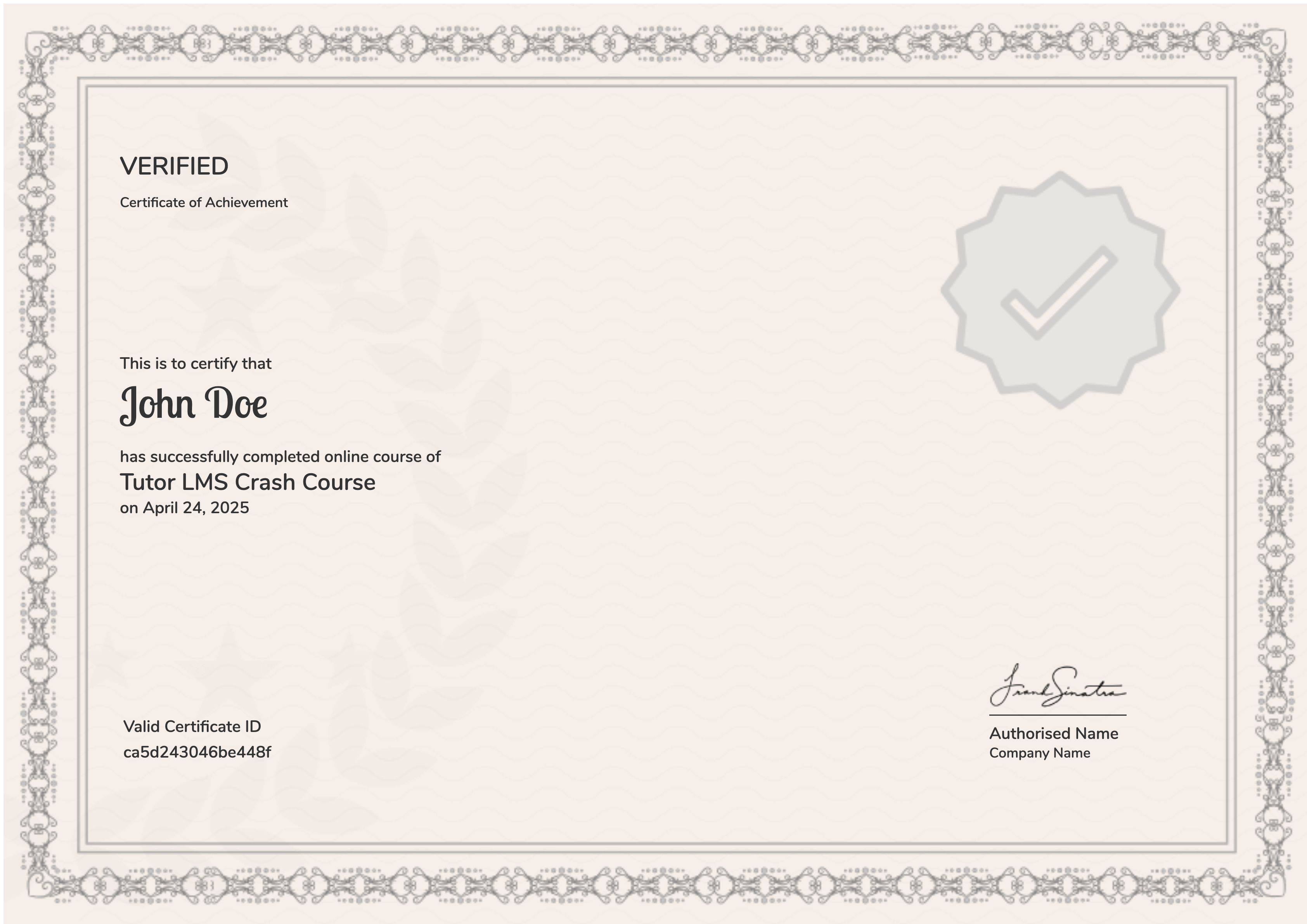
    Earn a certificate

    Add this certificate to your resume to demonstrate your skills & increase your chances of getting noticed.
    selected template

    How to Evaluate the Syllabus

    Before joining, ask the institute for the latest syllabus in writing. Check the number of sessions assigned to each technology, the practical exercises, the project requirements, and the assessment method. A SAP EWM Training in Chennai program should clearly explain the technologies included and the learning outcomes expected from participants.

    Student Ratings & Reviews

    No Review Yet
    No Review Yet

    Our Associations

    We are proudly associated with top industry partners and organizations that help our learners gain real-world exposure, placement opportunities, and career growth through quality training programs.

    futureskills prime

    Future Skills

    nasscom

    NASSCOM Futureskills

    IABAC-Logo

    IABAC

    SAP EWM Training Course in Chennai Tools & Technologies

    SAP EWM Training Course in Chennai introduces learners to the software environment and supporting functionalities used to manage warehouse activities. Understanding the tools is important because enterprise warehouse operations involve more than recording inventory quantities. They require the coordination of deliveries, storage locations, material movements, handling units, warehouse tasks, and operational resources.

    SAP Extended Warehouse Management training in Chennai is the primary application covered in the programme. Learners understand its warehouse structures, master data, operational processes, configuration concepts, and monitoring capabilities. Modern warehouse management operations often involve several SAP EWM functions and related technologies working together. Understanding their individual responsibilities helps learners identify the right application or functionality for a particular warehouse management requirement.

    SAP Extended Warehouse Management (SAP EWM)

    SAP Extended Warehouse Management (SAP EWM) is a warehouse management solution used to control and optimize warehouse operations. Its capabilities include inbound processing, outbound processing, inventory management, warehouse monitoring, storage bin management, and goods movement. It helps organisations manage warehouse activities with greater accuracy and operational efficiency.

    Inbound Processing

    Inbound processing manages the movement of goods into a warehouse. It includes activities such as receiving deliveries, unloading goods, performing inspections, creating warehouse tasks, and putting away products into designated storage bins. Understanding inbound processes is essential for managing incoming inventory efficiently.

    Outbound Processing

    Outbound processing handles the movement of goods from the warehouse to customers or other destinations. It involves outbound delivery processing, picking, packing, staging, and goods issues. SAP EWM helps coordinate these activities to support accurate and timely order fulfilment.

    Warehouse Order and Task Management

    Warehouse tasks and warehouse orders are important components of SAP EWM operations. Warehouse tasks define individual warehouse activities, such as moving products between storage bins, while warehouse orders group tasks for execution by warehouse employees. These functionalities help organise warehouse workloads and improve operational productivity.

    Inventory Management

    SAP EWM supports inventory management by providing visibility into stock quantities, storage locations, and stock movements. It also supports physical inventory activities, stock adjustments, and inventory reconciliation. This helps organisations maintain accurate warehouse stock records.

    How These SAP Modules Work Together

    Consider a company that uses SAP to manage purchasing, sales, inventory, production, and financial transactions. SAP ABAP supports the technical development and customisation of these business processes. ABAP developers create custom reports, enhance standard SAP applications, develop interfaces, and build application-specific functionality based on business requirements. SAP MM supports procurement and inventory management, SAP SD manages customer orders and billing, SAP PP handles production planning, and SAP FI supports financial accounting. ABAP development helps extend and integrate these modules to meet specific organisational requirements.

    These modules have different responsibilities, but they can work together through customised SAP developments and integrations. Learners considering an SAP ABAP Course in Chennai should understand these connections instead of treating ABAP as an isolated programming language.

    Understanding the Right SAP Module

    Not every business requirement involves the same SAP module or development approach. SAP ABAP primarily focuses on programming, application development, enhancements, and technical customisation within the SAP environment. SAP MM supports procurement and inventory management, SAP SD manages sales and distribution activities, SAP PP handles production planning, and SAP FICO supports financial accounting and controlling.

    The selection of SAP modules and development approaches depends on:

    • Business requirements.
    • Organisational structure.
    • SAP system architecture.
    • Application development requirements.
    • Custom report and interface requirements.
    • Integration with existing SAP modules.
    • Enhancement and customisation needs.
    • Existing enterprise applications.
    • Project scope and implementation approach.

    Understanding these factors is more useful than simply knowing the names of popular SAP modules or programming technologies.

    Get the tool-wise syllabus and lab details.

    Call +91 74181 88585

    SAP EWM Training Course Projects & Practical Training

    Why Are Projects Important?

    Projects help learners experience the different stages of warehouse management operations. They also provide opportunities to practise warehouse configuration, inbound processing, outbound processing, inventory management, warehouse task creation, and reporting. A well-designed project should contain a clear business objective and warehouse scenarios that support the required practical activities.

    01

    Project 1: Warehouse Structure Configuration

    Objective: Create and configure a basic warehouse structure in SAP EWM.

    Learners can work with the following components:

    • Warehouse number.
    • Storage types.
    • Storage sections.
    • Storage bins.
    • Activity areas.
    • Work centres.
    • Door configuration.

    Learners can configure a warehouse structure and understand how different organisational elements support warehouse operations.

    02

    Project 2: Inbound Delivery Processing

    Objective: Manage the receipt of incoming goods into a warehouse.

    Learners can practise:

    • Creating or processing inbound deliveries.
    • Receiving goods.
    • Unloading activities.
    • Goods receipt.
    • Warehouse task creation.
    • Putaway processing.

    The project helps learners understand how incoming products are received, recorded, and moved into appropriate storage locations.

    03

    Project 3: Outbound Delivery Processing

    Objective: Manage customer orders and warehouse dispatch activities.

    Learners may practise:

    • Outbound delivery processing.
    • Warehouse task creation.
    • Picking activities.
    • Packing operations.
    • Staging activities.
    • Goods issue.

    This project introduces the different stages involved in fulfilling customer orders and dispatching products from a warehouse.

    04

    Project 4: Inventory Management

    Objective: Monitor warehouse stock and maintain inventory accuracy.

    Learners can work with:

    • Stock overview.
    • Stock movements.
    • Physical inventory.
    • Inventory counting.
    • Stock adjustments.
    • Inventory reconciliation.

    They can examine stock information, understand inventory discrepancies, and practise maintaining accurate warehouse records.

    05

    Project 5: Warehouse Task and Order Management

    Objective: Understand how warehouse activities are organised and executed.

    Learners can practise creating warehouse tasks, grouping tasks into warehouse orders, assigning activities, and monitoring task execution. This project helps them understand how SAP EWM coordinates product movements within a warehouse.

    06

    Project 6: Replenishment Process

    Objective: Maintain sufficient stock in picking storage bins.

    Learners can explore replenishment strategies, monitor stock levels, identify replenishment requirements, and execute stock movements from reserve storage to picking locations.

    This project introduces the importance of maintaining product availability during warehouse operations.

    07

    Project 7: Physical Inventory Processing

    Objective: Perform inventory counting and resolve stock discrepancies.

    Learners can practise creating physical inventory documents, recording counted quantities, comparing system stock with actual stock, and processing inventory differences.

    This exercise helps learners understand how organisations maintain inventory accuracy.

    08

    Project 8: SAP EWM Integration

    Objective: Understand how SAP EWM communicates with other SAP business applications.

    Learners can explore integration scenarios involving:

    • SAP S/4HANA.
    • Materials Management (MM).
    • Sales and Distribution (SD).
    • Production Planning (PP).
    • Transportation Management (TM).

    They can examine how delivery information, material movements, and warehouse activities are connected across different business processes.

    How to Build a Good SAP EWM Project Portfolio

    A project portfolio should explain the purpose of each warehouse scenario, the business requirements, the configurations involved, the processes executed, and the results achieved.

    A project description should answer five important questions:

    1. What warehouse management problem were you trying to solve?
    2. What business requirements and warehouse structures were involved?
    3. How did you configure or prepare the SAP EWM environment?
    4. Which SAP EWM functionalities and processes did you apply?
    5. What results did you achieve, and what did you learn?

    Learners should also be prepared to explain the limitations of their configurations and the challenges encountered during execution. Completing projects independently is especially valuable for people pursuing an SAP EWM Course in Chennai with Placement, because interviewers may ask detailed questions about practical warehouse management scenarios and SAP system experience.

    Practical SAP EWM Training in Chennai

    Warehouse Master Data and Inbound Delivery Management: Learners explore product master data maintenance and warehouse-related settings. They understand how warehouse numbers, storage types, storage sections, storage bins and activity areas organise warehouse operations. We also introduce exercises involving inbound delivery processing, goods receipt and putaway. Participants examine how received products are assigned to suitable storage locations and how warehouse tasks are generated and processed.

    Practical Warehouse Management and Execution Exercises

    Warehouse Task Management and Inventory Transactions: Warehouse-related practical exercises cover warehouse task creation, warehouse order processing, stock transfers, replenishment and task confirmation. Inventory-related exercises introduce goods receipt, internal stock movements, picking, packing, goods issue and physical inventory. Learners understand how these transactions influence warehouse stock quantities, product locations and inventory records.

    Warehouse Monitoring and Integrated Logistics Scenarios: Learners explore how warehouse activities are monitored, how operational progress is recorded and how warehouse teams identify stock discrepancies, processing delays or incomplete tasks. Towards the end of the program, we discuss an integrated warehouse business scenario that brings together inbound logistics, inventory management, outbound delivery processing and related business activities. The exact projects and exercises depend on the available SAP EWM training environment and course schedule.

    Want to see sample project work?

    Call +91 74181 88585

    SAP EWM Training Methodology & Assessments

    A structured teaching methodology helps learners progress from basic concepts to more advanced applications in SAP Extended Warehouse Management (SAP EWM). Placement Point Solutions describes an approach involving instructor-led demonstrations, guided exercises, practical assignments, and project-based activities.

    01

    Instructor-Led Explanations

    The trainer introduces an SAP EWM concept, explains its purpose, and demonstrates how it works. For example, a warehouse structure configuration session may begin with the meaning of warehouse numbers, storage types, storage sections, and storage bins before moving into practical configuration activities.

    02

    Live Demonstrations

    Demonstrations allow learners to observe the steps involved in a warehouse management task. A trainer may demonstrate how to process inbound deliveries, execute goods receipt, create warehouse tasks, perform putaway activities, or process outbound deliveries.

    03

    Guided Exercises

    After the demonstration, learners should practise the same concept using different warehouse scenarios. Guidance is useful during the initial learning stages because learners can ask questions when they encounter difficulties while navigating SAP EWM transactions and executing warehouse processes.

    04

    Independent Assignments

    Independent assignments help evaluate whether learners can apply SAP EWM concepts without continuous assistance. Assignments may involve warehouse structure configuration, inbound delivery processing, outbound delivery execution, inventory management, warehouse task creation, and physical inventory activities.

    05

    Project-Based Learning

    Projects combine multiple SAP EWM functionalities. A learner may need to configure a warehouse structure, process incoming deliveries, manage inventory, execute picking activities, and complete outbound goods issues within a single warehouse management project.

    Assessment Methods

    The exact assessment structure should be confirmed with the institute. Common methods in SAP EWM training include:

    • Topic-based exercises.
    • Warehouse configuration assignments.
    • Inbound processing exercises.
    • Outbound delivery tasks.
    • Inventory management activities.
    • Warehouse task and order assignments.
    • Practical SAP system exercises.
    • End-to-end warehouse management projects.
    • Technical discussions.

    How Learners Can Improve Their Performance

    Learners should maintain a regular practice schedule. Instead of studying each SAP EWM functionality only once, they should revisit previous exercises and attempt similar warehouse scenarios independently. For example, after learning inbound processing, practise handling different delivery scenarios. After completing warehouse task configuration, try executing stock movements between different storage bins.

    The aim of SAP EWM Training in Chennai should be to develop independent problem-solving abilities and practical knowledge of warehouse management processes.

    SAP EWM Training Trainers & Industry Mentors

    01

    Our Approach to SAP EWM Training with Placement in Chennai

    Trainers play an important role in the SAP EWM learning experience. Their responsibility extends beyond explaining software features and configurations. They should help learners understand warehouse management concepts, demonstrate practical applications, and provide guidance when learners face difficulties while executing SAP EWM processes. In our institute, we have two valuable trainers: Shanmugavel holds a B.E. degree in Electronics and Communication Engineering, while Anish holds an MCA degree. Both trainers have three years of SAP EWM teaching experience.

    02

    Importance of Trainer Experience

    SAP technologies and warehouse management practices continue to evolve. Training should therefore explain concepts in a way that remains useful even when software interfaces and system configurations change. Trainers with relevant practical experience may be able to explain how SAP EWM processes are implemented and managed in professional warehouse environments. However, learners should verify individual trainer profiles rather than assuming that every instructor has a particular industry background.

    03

    What Should Learners Look For?

    Before joining a course, learners can ask about:

    • Trainer qualifications.
    • Relevant SAP EWM technical experience.
    • Knowledge of warehouse management processes.
    • Previous teaching experience.
    • Practical SAP system demonstrations.
    • Warehouse configuration guidance.
    • End-to-end project support.
    • Doubt-clearing arrangements.
    • Individual performance feedback.
    04

    Industry-Relevant Teaching

    An industry-oriented lesson should connect SAP EWM functionalities with realistic warehouse management requirements. For example, instead of teaching only how to configure storage types, a trainer can demonstrate how a warehouse uses different storage areas to organise products. Similarly, inbound and outbound processing lessons can use realistic business scenarios to explain delivery management, goods movements, picking, packing, and dispatch operations.

    05

    Mentoring and Doubt Resolution

    Learners may experience difficulties when moving from one SAP EWM functionality to another. A learner comfortable with warehouse structure configuration may initially find inbound delivery processing challenging. Another student may understand inbound and outbound operations but struggle with warehouse task management or inventory configuration. Appropriate mentoring can help learners identify the exact areas where they need more practice.

    06

    Questions to Ask Before Enrolment

    Ask whether the same trainer will handle the entire batch, whether additional practical sessions are available, and how technical doubts are resolved. If the institute advertises industry mentors, clarify whether mentoring involves classroom teaching, individual discussions, guest sessions, warehouse scenario discussions, or project reviews. These details help learners evaluate the actual value of the SAP EWM training.

    Certification

    SAP EWM Training Certification Details

    An SAP EWM Certification Course in Chennai can provide evidence that a learner has completed a particular training programme or passed a professional certification examination. However, learners should understand the difference between an institute-issued course completion certificate and an official certification awarded through an SAP certification examination.

    Ask about certificates and exam details.

    Call +91 74181 88585
    01

    What Is a Course Completion Certificate?

    A course completion certificate generally confirms that a participant has completed the institute's SAP EWM training requirements. Its value depends on the issuing organisation, assessment process, course content, and the way employers evaluate it.

    02

    Why Is Certification Useful?

    A certificate may help learners document their SAP EWM training and include relevant educational achievements in their resumes. It can also encourage learners to complete the syllabus and demonstrate their commitment to developing SAP skills. However, a certificate alone does not establish professional proficiency. Employers may also evaluate practical SAP system experience, warehouse management knowledge, configuration skills, and problem-solving abilities.

    03

    What Should Learners Verify?

    Before enrolling in an SAP EWM Certification Course in Chennai, ask:

    • Who issues the certificate?
    • Is it an institute-issued certificate or an official SAP certification?
    • Is an examination required?
    • What are the passing criteria?
    • Are there additional examination fees?
    • Does the certificate mention the SAP EWM topics covered?
    • Can the certificate be independently verified?
    04

    Preparing for Certification

    Learners should revise the major SAP EWM modules and complete the practical exercises. They should also understand the reasoning behind the configurations and processes they perform. For example, memorising the steps involved in inbound delivery processing is less useful than understanding how goods receipt, warehouse task creation, and putaway activities work together in an actual warehouse scenario.

    05

    Certification and Career Development

    Certification should be treated as one component of professional development. A strong candidate should combine relevant SAP EWM training, practical system experience, warehouse management knowledge, end-to-end project exposure, and clear communication skills.

    Earn a certificate

    Add this certificate to your resume to demonstrate your skills & increase your chances of getting noticed.

    Certificate

    SAP EWM Training with Placement in Chennai: Placement Assistance & Interview Preparation

    For many learners, employment preparation is an important reason for joining a professional training programme. However, SAP EWM Courses in Chennai with placement assistance and guaranteed employment are not the same thing. Learners should understand what services an institute provides and what responsibilities remain with the learner.

    01

    What Is Placement Assistance?

    Placement assistance generally refers to support that helps candidates prepare for employment opportunities.

    Depending on the institute's actual arrangements, this may include:

    • Resume preparation.
    • Interview guidance.
    • Technical revision.
    • Job opportunity information.
    • Mock interviews.
    • SAP EWM project discussions.
    • Career counselling.

    Placement Point Solutions identifies career guidance, resume assistance, interview preparation, and placement assistance among the support areas learners can enquire about. Learners should request the latest written placement policy and clarify eligibility conditions.

    02

    Resume Preparation

    A resume should present the candidate's education, SAP EWM knowledge, practical training, projects, and relevant experience clearly. For entry-level candidates, practical SAP EWM projects can help demonstrate their understanding of warehouse management processes. A project description should mention the business scenario, warehouse requirements, SAP functionalities, and activities completed.

    03

    Technical Interview Preparation

    Candidates should revise the fundamentals of each SAP EWM functionality.

    Important areas include:

    SAP EWM Fundamentals

    • Introduction to SAP EWM.
    • Warehouse organisational structure.
    • Warehouse numbers.
    • Storage types and storage bins.
    • Warehouse process types.
    • Warehouse master data.

    Inbound Processing

    • Inbound deliveries.
    • Goods receipt.
    • Unloading.
    • Warehouse task creation.
    • Putaway strategies.
    • Stock placement.

    Outbound Processing

    • Outbound deliveries.
    • Picking strategies.
    • Warehouse task execution.
    • Packing.
    • Staging.
    • Goods issue.

    Inventory Management

    • Stock overview.
    • Physical inventory.
    • Inventory counting.
    • Stock adjustments.
    • Inventory differences.
    • Stock movements.

    Warehouse Task and Order Management

    • Warehouse task creation.
    • Warehouse order creation.
    • Task assignment.
    • Activity areas.
    • Resource management.
    • Warehouse execution.

    SAP EWM Integration

    • SAP S/4HANA integration.
    • Materials Management (MM).
    • Sales and Distribution (SD).
    • Production Planning (PP).
    • Transportation Management (TM).
    04

    Project-Based Interview Questions

    Interviewers may ask candidates to explain their previous SAP EWM projects.

    Common questions include:

    1. What was the objective of your warehouse management project?
    2. Which warehouse structure did you configure?
    3. How did you process inbound deliveries?
    4. How did you execute putaway activities?
    5. What is the difference between a warehouse task and a warehouse order?
    6. How did you handle outbound delivery processing?
    7. How did you manage inventory discrepancies?
    8. What challenges did you encounter during project execution?
    9. How did you resolve configuration or process-related issues?

    Candidates should answer using their actual project experience and demonstrate an understanding of the processes they have practised.

    05

    Communication Skills

    SAP EWM professionals frequently communicate with warehouse managers, functional consultants, technical teams, and business users. They should be able to explain warehouse processes without relying on complicated terminology. For example, instead of simply describing a picking process, a candidate should explain how products are identified, retrieved from storage bins, and prepared for outbound delivery.

    06

    Placement Expectations

    Learners interested in SAP EWM Courses in Chennai with Placement should confirm the number of placement opportunities, eligibility requirements, employer connections, interview preparation services, and placement support duration. No training institute should be assumed to guarantee employment unless the terms are clearly documented.

    Know how our placement support works.

    Call +91 74181 88585

    SAP EWM Training with Placement in Chennai: Career Opportunities – Jobs After SAP EWM Training

    SAP EWM knowledge can be relevant to several professional roles in the supply chain and warehouse management industry. The exact opportunities available to an individual depend on their education, SAP technical knowledge, warehouse management experience, project exposure, and employer requirements.

    SAP EWM Consultant

    SAP EWM consultants help organisations implement, configure, and maintain warehouse management solutions. Their responsibilities may include understanding business requirements, configuring warehouse processes, supporting system integration, and resolving functional issues.

    SAP EWM Functional Consultant

    SAP EWM functional consultants focus on configuring and supporting warehouse management processes. Their work may involve warehouse structure configuration, inbound and outbound processing, inventory management, warehouse task management, and business process optimisation.

    SAP EWM Support Consultant

    SAP EWM support consultants assist organisations with maintaining their warehouse management systems. They may investigate system errors, resolve process-related issues, analyse configuration problems, and provide functional support to warehouse users.

    SAP EWM Implementation Consultant

    Implementation consultants participate in SAP EWM implementation projects. Their responsibilities may include requirement gathering, business process analysis, system configuration, testing, documentation, and supporting the transition to the new warehouse management system.

    Warehouse Management Analyst

    Warehouse management analysts examine warehouse operations, inventory movements, storage utilisation, and operational performance. They help organisations identify process improvements and understand how SAP EWM supports warehouse activities.

    SAP Supply Chain Consultant

    SAP supply chain consultants work with business processes involving procurement, inventory, warehouse operations, logistics, and distribution. SAP EWM knowledge can be useful when supporting projects that involve warehouse management and supply chain integration.

    SAP EWM Technical Consultant

    SAP EWM technical consultants work on the technical aspects of SAP EWM solutions. Depending on the position, their responsibilities may involve ABAP development, system enhancements, interfaces, integrations, and technical troubleshooting.

    Warehouse Process Specialist

    Warehouse process specialists focus on improving operational activities such as receiving, putaway, picking, packing, inventory management, and dispatch. Knowledge of SAP EWM can help them understand how warehouse processes are managed through an integrated system.

    How to Prepare for These Careers

    Learners should choose practical projects that relate to their preferred career direction. For example, someone interested in functional consulting can practise warehouse configuration and end-to-end inbound and outbound processes. A learner interested in support roles can study common warehouse execution issues and troubleshooting scenarios. Those interested in implementation can focus on business requirements, configuration, testing, and documentation.

    The goal is to demonstrate how SAP EWM functionalities can be applied to realistic warehouse management situations. A structured SAP EWM Course in Chennai can provide an introduction to these professional areas, but learners should continue developing their technical knowledge through independent practice and practical project experience.

    Find the right career path for your profile.

    Call +91 74181 88585

    SALARY INSIGHTS

    SAP EWM Salary Insights (India). SAP EWM offers strong career growth with salaries increasing based on configuration skills, hands-on experience, and system expertise.

    Freshers

    ₹3 LPA – ₹6 LPA

    Entry-level roles such as Junior SAP EWM Consultant, EWM Support Analyst, or Warehouse Management Associate. Salaries depend on configuration skills, system knowledge, and project exposure.

    Career Switchers

    ₹5 LPA – ₹9 LPA

    Professionals moving from non-IT domains can leverage domain knowledge with SAP EWM skills for faster career growth.

    Experienced Professionals

    ₹8 LPA – ₹15+ LPA

    Advanced warehouse configuration, process optimization, automation, and supply chain management lead to senior-level salary growth.

    Disclaimer: Salary figures are indicative estimates based on market trends and may vary depending on skills, experience, location, company policies, and individual performance.

    SAP EWM Training Engineer Salary in Chennai

    Salary is an important consideration for learners exploring SAP Extended Warehouse Management as a career. However, there is no single salary applicable to every SAP EWM professional in Chennai. Compensation varies according to experience, SAP EWM knowledge, warehouse and logistics domain expertise, project exposure, company size, industry, responsibilities and interview performance.

    Freshers

    Indicative salary range: Rs. 2.5 LPA – 5 LPA

    Freshers who have developed basic SAP EWM knowledge may explore entry-level opportunities in warehouse operations, SAP support, inventory management and junior functional support.

    Employers may look for familiarity with:

    • SAP EWM fundamentals.
    • Warehouse organisational structure.
    • Warehouse master data.
    • Storage types, storage sections and storage bins.
    • Inbound delivery and goods receipt.
    • Putaway and warehouse tasks.
    • Picking, packing and goods issue.
    • Physical inventory concepts.

    Candidates with practical training and good functional and communication skills may be better prepared to explain warehouse processes and demonstrate their knowledge during interviews.

    Career Switchers

    Indicative salary range: Rs. 4 LPA – 8 LPA

    Career switchers with previous experience in warehousing, logistics, inventory management, supply chain, procurement or IT support may be able to connect their existing knowledge with SAP EWM. For example, someone who has worked in warehouse operations may already understand receiving, storage, picking and dispatch activities. Learning SAP EWM can help such professionals explore roles involving SAP functional support, warehouse management and logistics process management. The actual salary will depend on previous experience and the technical responsibilities of the new position.

    Skilled Experts

    Indicative salary range: Rs. 8 LPA – 15+ LPA

    Professionals with strong practical experience may explore more advanced SAP EWM-related roles.

    These may include:

    • Senior SAP EWM Consultant.
    • SAP EWM Functional Consultant.
    • SAP EWM Support Consultant.
    • SAP EWM Implementation Consultant.
    • SAP Supply Chain Consultant.
    • Warehouse Management Analyst.
    • SAP EWM Solution Architect.

    Such roles may require advanced knowledge of SAP EWM configuration, inbound and outbound processing, warehouse task management, RF framework, warehouse monitoring, integration with other SAP modules and implementation methodologies.

    Factors That Affect SAP EWM Salaries

    • Technical Skills: Knowledge of SAP EWM master data, warehouse structures, inbound and outbound processing, warehouse tasks and configuration can affect job opportunities.
    • Practical Experience: Employers may prefer candidates who have worked with warehouse scenarios, SAP implementations, inventory management activities and functional support.
    • Certifications: Relevant SAP certifications can help demonstrate knowledge of SAP technologies and warehouse management concepts.
    • Job Responsibilities: Different positions involve different levels of responsibility, from handling warehouse-related support tickets to configuring SAP EWM processes and managing implementation projects.
    • Location: Salary ranges may differ between Chennai and other technology markets.
    • Company Requirements: Hiring standards and compensation depend on the employer, industry, SAP landscape and project responsibilities.

    How Can Freshers Improve Their Career Opportunities?

    Freshers can take the following steps:

    1. Learn SAP EWM fundamentals.
    2. Understand warehouse management business processes.
    3. Practise warehouse structure configuration.
    4. Learn warehouse master data maintenance.
    5. Practise inbound delivery, goods receipt and putaway.
    6. Understand outbound delivery, picking, packing and goods issue.
    7. Learn warehouse task and warehouse order management.
    8. Complete practical warehouse scenarios.
    9. Prepare a clear SAP EWM technical resume.
    10. Practise functional and scenario-based interview questions.

    The goal should be to build the technical knowledge needed for the desired role rather than focusing only on the salary range.

    Plan your career move with our counsellor.

    Call +91 74181 88585

    SAP EWM Training – Frequently Asked Questions

    How do we teach SAP EWM at Placement Point Solutions? +

    We teach SAP EWM through structured lessons, practical demonstrations, and warehouse-related examples. Our approach starts with fundamentals and progresses towards advanced processes.

    Can beginners join our SAP EWM Training in Chennai? +

    Yes. We introduce warehouse management fundamentals before teaching advanced SAP EWM functionalities. This helps beginners understand the subject progressively.

    Do we provide practical SAP EWM training with placement in Chennai? +

    Yes. Our programme includes practice-server access and practical learning activities. These help learners connect theoretical concepts with SAP system operations.

    How long does our SAP EWM Course in Chennai take? +

    Our programme provides 40+ training hours and an indicative duration of 8–12 weeks. The exact schedule depends on the selected batch.

    What languages do we use to teach SAP EWM? +

    Our course is advertised in Tamil and English, based on students' language preferences. Learners can confirm their preferred language during enrolment.

    Do we provide LMS access? +

    Yes. Our course features include lifetime access to the LMS platform. Learners can revisit the available learning resources.

    Do we provide a practice server? +

    Yes. Practice server access is included among our course features. Candidates can confirm the current access conditions with our admissions team.

    How do we explain SAP EWM configuration? +

    We introduce configuration concepts through structured explanations and warehouse-related examples. We connect configuration settings with their operational purpose.

    Do we cover inbound and outbound processes? +

    Yes. Our syllabus includes goods receipt, putaway, picking, packing, staging, and goods issue. We explain how these activities connect.

    Do we teach warehouse monitoring? +

    Yes. We introduce warehouse monitoring, work centres, exception handling, task monitoring, and KPI-related concepts.

    Do we cover SAP EWM integration? +

    Yes. We explain integration with SAP ERP and related modules, including relevant goods movement, delivery, and inventory processes.

    Do we provide interview preparation? +

    Yes. Our course includes live mock interview preparation and access to interview questions and answers.

    Do we help learners prepare their resumes? +

    Our career preparation approach includes guidance on presenting relevant qualifications, SAP EWM knowledge, and practical learning accurately.

    Do we provide placement assistance? +

    Yes. Placement facilitation is an advertised feature of our programme. Assistance depends on individual eligibility and available recruitment opportunities.

    Can working professionals join our course? +

    Yes. Working professionals can enquire about current batch availability and suitable training schedules before enrolling.

    Can non-IT candidates learn SAP EWM with us? +

    Yes. Our beginner-oriented approach introduces the functional concepts from the basics. Previous programming experience is not compulsory for learning functional SAP EWM.

    Do we provide practical projects? +

    Our course includes practical and project-oriented learning. Exercises cover warehouse processes and business scenarios.

    Will learners receive a certificate? +

    Yes. We advertise an institute-issued certificate of completion for learners who fulfil the applicable course requirements.

    How can candidates know our current SAP EWM Training in Chennai fees? +

    Our SAP EWM Training in Chennai fees are ₹45,000, with ₹55,000 displayed as the original price. Candidates should contact us to confirm current offers and payment conditions.

    How can candidates enrol in our SAP EWM Course in Chennai? +

    Candidates can contact Placement Point Solutions through our admissions team. We can provide information about the syllabus, current batches, SAP EWM Training in Chennai fees and the enrolment procedure.

    Who This SAP EWM Course Is Not For

    This course is designed for learners who are genuinely interested in building practical SAP EWM skills. It may not be the right fit for everyone.

    ✔ If you are committed to learning, practicing consistently, and building real skills, this course can help you start or grow a career in SAP EWM.

    Start Your Journey Today

    Ready to build a successful career? Join our SAP EWM Training In Chennai with placement support.

    Enroll Now
    SAP EWM Training In Chennai

    HOW THIS COURSE WORKS

    This SAP EWM course follows a structured and practical learning journey to help you build confidence and job-ready skills step by step.

    1

    Learn the Fundamentals

    Start with core concepts of SAP EWM and gradually learn warehouse structure, master data, process configuration, and monitoring tools with simple and easy explanations.

    2

    Practice with Real-World Scenarios

    Work on real datasets, hands-on exercises, and practical projects based on real business problems and industry use-cases.

    3

    Prepare for Interviews & Careers

    Get interview preparation, resume guidance, project explanation support, and career planning to confidently apply for SAP EWM Consultant roles.

    📘 SAP EWM Training Interview Questions

    1. What is SAP EWM? +

    Answer: SAP Extended Warehouse Management is an SAP application used to manage and optimise warehouse operations. It supports activities such as receiving, storage, picking, packing, and dispatch.

    2. What is the difference between SAP EWM and SAP WM? +

    Answer: SAP EWM provides more advanced warehouse management capabilities than traditional SAP WM. It supports detailed warehouse execution, monitoring, and complex operational requirements.

    3. What is a warehouse number in SAP EWM? +

    Answer: A warehouse number represents the highest-level organisational unit for warehouse management. It is used to organise and control warehouse-related activities.

    4. What is a storage type? +

    Answer: A storage type represents a physical or logical structure within a warehouse. Examples include bulk storage, high-rack storage, and picking areas.

    5. What is a storage section? +

    Answer: A storage section is a subdivision within a storage type. It helps organise storage bins according to warehouse characteristics or operational requirements.

    6. What is a storage bin? +

    Answer: A storage bin is the smallest storage location within the warehouse structure. It identifies the specific location where products can be stored.

    7. What is a handling unit? +

    Answer: A handling unit is a uniquely identifiable physical package containing products or materials. It supports packing, movement, identification, and tracking.

    8. What is an inbound delivery? +

    Answer: An inbound delivery contains information about goods expected to arrive at a warehouse. It supports receiving and subsequent warehouse processing.

    9. What is goods receipt? +

    Answer: Goods receipt is the process of recording materials received into the warehouse. It updates the relevant stock information and supports subsequent activities.

    10. What is putaway in SAP EWM? +

    Answer: Putaway is the process of moving received products into appropriate storage bins. The system can determine suitable locations using configured strategies.

    11. What is an outbound delivery? +

    Answer: An outbound delivery contains information about products that need to be dispatched. It supports picking, packing, staging, and goods issue.

    12. What is picking? +

    Answer: Picking is the process of retrieving required products from warehouse storage locations. It is performed to fulfil outbound requirements.

    13. What is packing in SAP EWM? +

    Answer: Packing involves placing products into suitable packaging or handling units. It prepares the materials for staging, loading, and dispatch.

    14. What is a warehouse task? +

    Answer: A warehouse task represents an individual warehouse movement or activity. It instructs the execution of operations such as picking or putaway.

    15. What is a warehouse order? +

    Answer: A warehouse order groups one or more warehouse tasks for execution. It helps organise and manage warehouse workload.

    16. What is replenishment? +

    Answer: Replenishment is the process of moving stock into a storage or picking area when additional inventory is required. It helps maintain product availability.

    17. What is cross-docking? +

    Answer: Cross-docking is a warehouse process in which incoming products are moved towards outbound requirements with limited or no conventional storage. It can reduce handling and storage time.

    18. What is the RF framework? +

    Answer: The RF framework supports mobile warehouse execution through radio frequency devices. It allows warehouse employees to perform activities such as picking and putaway.

    19. What is the warehouse monitor? +

    Answer: The warehouse monitor is a tool used to observe and analyse warehouse activities. It helps users monitor stock, tasks, orders, and operational exceptions.

    20. How does SAP EWM integrate with SAP ERP? +

    Answer: SAP EWM exchanges relevant business and warehouse information with connected enterprise applications. Integration supports processes such as delivery processing, goods movements, and inventory updates.

    Interview Prep

    How to Prepare for Technical Interviews

    Get guided interview preparation support.

    Call +91 74181 88585

    Learners should practise questions instead of simply memorising definitions. They should also develop the ability to demonstrate their work. For example, when asked about inbound delivery processing, a candidate should be able to explain the process and demonstrate the relevant steps in SAP EWM. Similarly, a candidate discussing warehouse configuration should be prepared to describe how they configured storage types, storage sections, and storage bins. An SAP EWM Certification Training in Chennai programme can provide foundational knowledge, but interview readiness requires continued practical experience and independent practice.

    Related SAP EWM Learning Resources

    Learning should continue even after completing a formal training programme. SAP technologies and warehouse management practices evolve, and professionals often need to develop new capabilities as their responsibilities change. Learners can strengthen their understanding by revisiting course materials, practising warehouse scenarios, studying SAP documentation, and developing independent projects.

    SAP EWM Learning

    Learners can explore warehouse structure configuration, inbound processing, outbound processing, inventory management, warehouse tasks, warehouse orders, and physical inventory. SAP's official learning resources provide documentation and training materials about SAP EWM functionalities.

    SAP S/4HANA Learning

    Learners can understand how SAP EWM works within the broader SAP S/4HANA environment. Important areas include enterprise structures, material management, delivery processing, and warehouse integration.

    Inbound and Outbound Process Learning

    Learners can practise inbound delivery processing, goods receipt, putaway, outbound delivery processing, picking, packing, staging, and goods issue. Understanding these processes helps develop practical warehouse management knowledge.

    Warehouse Configuration Learning

    Learners can strengthen their understanding of warehouse numbers, storage types, storage sections, storage bins, activity areas, work centres, and warehouse process types. Practical configuration exercises help connect theoretical concepts with system operations.

    SAP Integration Learning

    Learners can explore how SAP EWM integrates with other SAP applications and business processes. Understanding integration with SAP S/4HANA, Materials Management (MM), Sales and Distribution (SD), and Production Planning (PP) can provide a broader understanding of supply chain operations.

    Building a Personal SAP EWM Project Portfolio

    A personal portfolio allows learners to document their practical work.

    It may contain:

    • Warehouse structure configuration projects.
    • Inbound delivery processing exercises.
    • Outbound delivery management projects.
    • Warehouse task and order assignments.
    • Inventory management exercises.
    • Replenishment scenarios.
    • Physical inventory projects.
    • SAP integration scenarios.
    • Project explanations and configuration documentation.

    Learners should use SAP environments and project information that they are permitted to access and share. Confidential business information should never be published without appropriate permission.

    Choosing the Right Learning Resources

    Beginners should focus on foundational warehouse management concepts before moving towards more advanced SAP EWM functionalities.

    A useful learning sequence is:

    1. Understand basic warehouse management concepts.
    2. Learn SAP EWM fundamentals.
    3. Study warehouse organisational structures.
    4. Practise inbound processing.
    5. Learn outbound processing.
    6. Explore inventory management.
    7. Understand warehouse task and order management.
    8. Study SAP integration.
    9. Complete independent warehouse management projects.
    10. Practise technical interviews.

    Our Trusted Collaborators

    Tiger Analytics – Analytics & AI solutions
    Customer Analytics India Pvt Ltd
    Vittena Analytics Pvt. Ltd.
    iBeris Software Solutions
    Lapis Data Analytics Pvt. Ltd.
    Analytics Aura Private Limited
    AIML Data Analytics Solutions
    Wavicle Data Solutions LLC
    Crossroad Elf DSS Pvt. Ltd
    47Billion – Data analytics & AI solutions
    Mammoth Analytics
    Tibil Solutions
    Impact Analytics

    Ready to Start Your Career in SAP EWM?

    Take the next step towards building a successful career in SAP EWM with structured training, practical learning, and career guidance.

    Get complete clarity on the course syllabus, learning approach, batch schedules, and career opportunities by speaking with a career expert.

    Get Free Career Guidance
    Beginner-friendly Practical training Career-focused learning
    ×

      Talk to a Consultant

      Fill in the details to get started

      Trademark & Affiliation Notice

      SAP and SAP S/4HANA are trademarks or registered trademarks of SAP SE or its affiliated companies in Germany and other countries. Placement Point Solutions operates as an independent training provider and has no official affiliation with, sponsorship from, endorsement by, or authorisation from SAP SE.

      Any references to the SAP products and technologies on this website are intended solely to describe the training courses offered. Certificates awarded upon completion of courses conducted by Placement Point Solutions are issued by the institute and do not constitute official SAP certifications.

      Want to receive push notifications for all major on-site activities?

      ✕