Java Full Stack Course in Chennai with 100% placement

Start your journey as a full stack developer with our Java Full Stack Developer Course in Chennai. Learn Java, frontend and backend development, databases, APIs, and modern tools through practical projects that reflect real workplace tasks. With our  expert guidance, hands-on training, and placement support, gain the confidence, technical skills, and industry knowledge you need to crack interviews and begin a successful career in software development.

Course Features - Placement Point Solutions:-

What Will You Learn?

  • 40+ Hours Course Duration
  • 1000+ Interview Questions & Answers
  • 100% Placement Facilitation
Call Now

    Talk to a Consultant

    Fill in the details to get started

    Training Methods

    Training Methods

    LMS Online Learning Platform
    (Life-time Access)

    Course Period

    Course Period

    8 - 12 Weeks Training
    Free Practice Server

    Interview Preparation

    Interview Preparation

    Live Mock Interview
    Preparation

    Course Language

    Course Language

    Tamil & English
    (Students Preference)

    Upcoming Training Schedule

    Upcoming Java Training Online/Offline Batches in Chennai

    Join our live instructor-led Java Training Online/Offline Batches with flexible weekday & weekend timings.

    25-08-2026

    New Batch Starts

    Mon–Fri

    Weekdays Regular

    08:00 AM & 10:00 AM

    (Class 1Hr – 2Hrs) / Per Session

    Can’t find a batch? Pick your own schedule

    Flexible timings available for students & working professionals.

    Request a Batch

    Java Full-Stack Training in Chennai

    4.7 (2,000 reviews)
    • At Placement Point Solutions, we help students and freshers build a strong career in software development through our Java Full Stack Training in Chennai. Learn Java, frontend and backend technologies, databases, APIs, and modern development tools with practical, project-based training. Our experienced trainers, industry-focused curriculum, and placement support ensure you gain real-world skills, improve interview confidence, and become job-ready for opportunities in leading IT companies.
    Rs. ₹55,000 ₹45,000* No Cost EMI - Rs. 7,500 p.m for 6 months

    Fees Details

    ₹45,000.00 ₹55,000.00

    Java Full Stack training in Chennai

    Wishlist Share
    Share Course
    Page Link
    Share On Social Media

    About Course

    Start your journey as a full stack developer with our Java Full Stack Developer Course in Chennai. Learn Java, frontend and backend development, databases, APIs, and modern tools through practical projects that reflect real workplace tasks. With our  expert guidance, hands-on training, and placement support, gain the confidence, technical skills, and industry knowledge you need to crack interviews and begin a successful career in software development.

    Show More

    What Will You Learn?

    • 40+ Hours Course Duration
    • 1000+ Interview Questions & Answers
    • 100% Placement Facilitation

    Course Content

    Introduction to Programming

    • What is Programming?
    • Overview of Java & Web Development
    • Setting Up Development Environment

    Core Java Basics

    Object-Oriented Programming (OOP)

    Advanced OOP Concepts

    Exception Handling

    Collections Framework

    Multithreading

    File Handling

    JDBC (Database Connectivity)

    MySQL Database

    HTML

    CSS

    JavaScript Basics

    Advanced JavaScript

    React / Angular Basics

    Backend with Servlets

    JSP

    Spring Framework

    Spring Boot

    Hibernate

    RESTful Web Services

    Microservices Basics

    Git & Version Control

    Project Development

    Interview Preparation

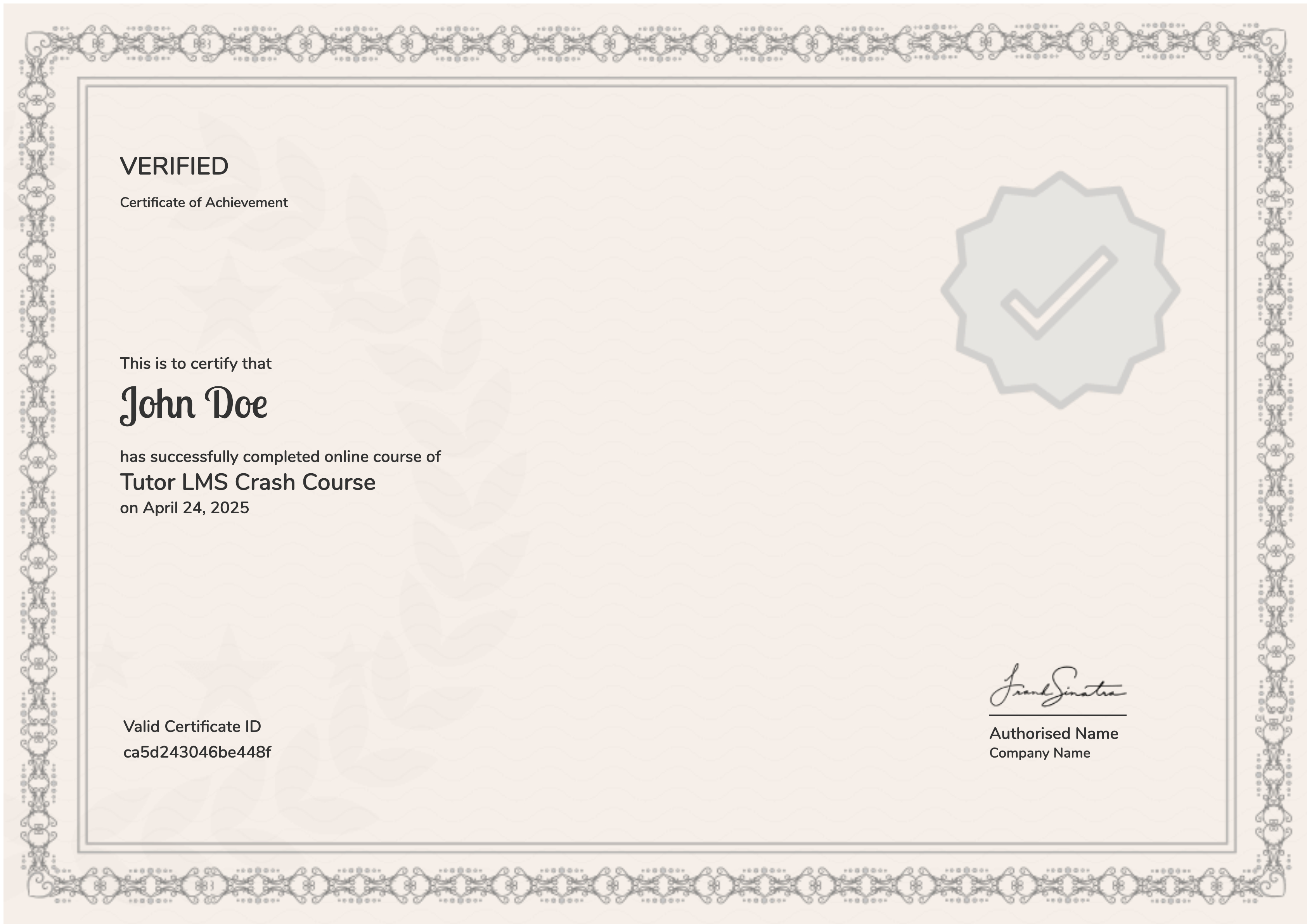
    Earn a certificate

    Add this certificate to your resume to demonstrate your skills & increase your chances of getting noticed.
    selected template

    Student Ratings & Reviews

    No Review Yet

    No Review Yet

    Our Associations

    We are proudly associated with top industry partners and organizations that help our learners gain real-world exposure, placement opportunities, and career growth through quality training programs.

    future_skill

    Future Skills

    nasscom

    NASSCOM Futureskills

    IABAC-Logo

    IABAC

    COURSE OVERVIEW

    Java Full Stack Course Introduction

    Learn how full stack applications power modern businesses and build a future-ready career with practical, job-oriented Java Full Stack training.

    What is Java Full Stack?

    Java Full Stack is the development of complete web applications using both frontend and backend technologies. A Java Full Stack Developer works with Core Java, Advanced Java, Spring Boot, Hibernate, HTML, CSS, JavaScript, React/Angular, and databases like MySQL to build dynamic, scalable applications—from user interface to server and database.


    Is This Course for Freshers & Non-IT?

    Yes. This course is designed from absolute basics, making it ideal for freshers, non-IT backgrounds, and career switchers. No prior programming experience is required—only consistency and a willingness to learn.


    Career & Job Opportunities

    After completion, learners can apply for roles such as:

    • Java Developer / Junior Java Developer
    • Full Stack Developer (Entry-Level)
    • Backend Developer / Web Application Developer

    Salary & Growth

    Entry-level salaries vary by technical skills and project knowledge, while experienced professionals grow rapidly with real-time development expertise. Java Full Stack development offers long-term stability and strong career growth in the IT industry.


    Why Choose This Course?

    • Beginner-friendly for freshers & non-IT candidates
    • High-demand jobs across multiple industries
    • Practical, career-focused learning approach
    • Perfect for entry-level & career-switch roles

    SALARY INSIGHTS

    Java Full Stack Developer Salary Insights (India). Java Full Stack offers strong career growth with salaries increasing based on technical skills, hands-on project experience, and development expertise.

    Freshers

    ₹3 LPA – ₹6 LPA

    Entry-level roles such as Junior Java Developer, Associate Full Stack Developer, or Backend Developer. Salaries depend on Core Java, Spring Boot, database skills, and real-time project exposure.

    Career Switchers

    ₹5 LPA – ₹9 LPA

    Professionals moving from non-IT domains can leverage domain knowledge with Java Full Stack skills for faster career growth in software development.

    Experienced Professionals

    ₹8 LPA – ₹15+ LPA

    Advanced application development, microservices architecture, automation, and system design expertise lead to senior-level salary growth in Java Full Stack careers.

    Disclaimer: Salary figures are indicative estimates based on market trends and may vary depending on skills, experience, location, company policies, and individual performance.

    Frequently Asked Questions

    Why should I join a Placement Point Solutions, Java Full Stack Developer Course in Chennai? +

    Anyone who are interested in software development can join, including students, freshers, graduates, career changers, and working professionals. Our Java Full Stack Developer Course in Chennai is suitable for beginners as well as experienced developers looking to upgrade their skills.

    Is Java Full Stack Development a good career in 2026? +

    Yes. Java Full Stack Development continues to be one of the most in-demand careers because businesses need developers who can build complete web applications. Skilled professionals enjoy excellent job opportunities, competitive salaries, and strong career growth.

    How long does it take to complete Java Full Stack Training in Chennai? +

    Our course duration usually ranges from 4 to 6 months, depending on the learning mode, batch schedule, and course curriculum. Practical assignments and live projects are included throughout the training.

    Will I work on real-time projects during the course? +

    Yes, we include live projects that help you apply your knowledge, improve problem-solving skills, and gain practical experience before attending interviews.

    What is the average salary of a Java Full Stack Developer? +

    The salary depends on your experience, location, and company. For freshers usually receive competitive packages, while experienced developers can earn significantly higher salaries with strong technical skills.

    Is placement assistance available after the course? +

    Yes, at Placement Point Solutions, we provide resume building, mock interviews, technical interview preparation, career guidance, and placement support.

    Will I receive a certificate after completing the course? +

    Yes. After successfully completing the program, you receive a course completion certificate that validates your Java Full Stack Development skills and strengthens your resume.

    Is Java Full Stack Development suitable for freshers? +

    Yes, as a fresher, you can start from the basics and gradually learn advanced concepts through practical projects, coding exercises, and interview preparation sessions.

    Can working professionals join the course? +

    Yes. We offer flexible weekday, weekend, and online batches, making it convenient for working professionals to upgrade their technical skills.

    What is covered in a Java Full Stack Certification Course in Chennai? +

    Our Java Full Stack Certification Course in Chennai generally covers Java programming, Spring Boot, Hibernate, frontend technologies, databases, REST APIs, Git, Maven, testing, deployment, and live project development.

    Can I switch my career to software development through this course? +

    Yes. Many graduates, non-IT professionals, and career changers successfully transition into software development by learning Java Full Stack Development and building practical projects.

    Does the course include database design and management? +

    Yes. You will learn database concepts such as creating tables, writing SQL queries, managing relationships, performing CRUD operations, and optimizing databases using MySQL. These skills are essential for building efficient Java-based applications.

    Will I receive support if I miss a class? +

    We provide recorded sessions, backup classes, study materials, and trainer support. This allows students to catch up on missed topics without affecting their overall learning progress or understanding of the course.

    Does the course include database design and management? +

    Through this course, you will learn database concepts such as creating tables, writing SQL queries, managing relationships, performing CRUD operations, and optimizing databases using MySQL. These skills are essential for building efficient Java-based applications.

    How much time should I practice coding every day? +

    Do practice for one to two hours on a daily basis. Regular coding, solving programming problems, and building small applications help strengthen your understanding of Java concepts, improve problem-solving skills, and prepare you for technical interviews more effectively.

    Who This Java Full Stack Course Is Not For

    This course is designed for learners who are genuinely interested in building practical Java Full Stack development skills. It may not be the right fit for everyone..

    If you are committed to learning, practicing consistently, and building real skills, this course can help you start or grow a career in Java Full Stack.

    Start Your Journey in AI Today

    Ready to navigate the exciting world of Artificial Intelligence? Join our Artificial Intelligence course in Chennai with placement.

    Enroll Now
    AI Course

    HOW THIS COURSE WORKS

    This Java Full Stack course follows a structured and practical learning journey to help you build confidence and job-ready development skills step by step.

    1

    Learn the Fundamentals

    Start with core concepts of Java and gradually learn Advanced Java, Spring Boot, frontend technologies, and databases with simple and easy explanations.

    2

    Practice with Real-World Scenarios

    Work on real-time applications, hands-on coding exercises, and practical projects based on real business requirements and industry use-cases.

    3

    Prepare for Interviews & Careers

    Get interview preparation, resume guidance, project explanation support, and career planning to confidently apply for Java Full Stack Developer roles.

    COURSE FEATURES

    Java Full-Stack Developer Course Features

    This Java Full Stack course is designed to help learners build strong analytical skills and become job-ready through a structured, practical, and beginner-friendly approach.

    Hands-on Full Stack Projects

    Build real-world web applications using Java, Spring Boot, Hibernate, HTML, CSS, JavaScript, React, and MySQL. Our Java full stack training in Chennai gives you practical experience that prepares you for real software development roles.

    Affordable Course Fees

    Get quality training at competitive fees with flexible payment options. Our best Java full stack training institute in Chennai makes professional IT education accessible to students, freshers, and working professionals.

    Flexible Batch Timings

    Choose from weekday or weekend batches that fit your schedule. Our Java full stack training in Chennai is designed to help you learn comfortably without affecting your studies or work commitments.

    Industry-Experienced Java Trainers

    Learn from skilled Java full stack professionals with real industry experience. Gain practical knowledge, coding best practices, and expert guidance throughout your learning journey.

    100% Placement Assistance

    Boost your career with resume preparation, mock interviews, career mentoring, and dedicated placement support to help you secure opportunities as a Java Full Stack Developer.

    Industry-Recognized Certification

    Receive a course completion certificate that validates your Java full stack development skills and enhances your profile for software development and IT career opportunities.

    📘 Java Full-Stack Interview Questions & Answers

    Q1. What is Java Full Stack Development? +
    Java Full Stack Development involves building both the frontend and backend of a web application. A Java full stack developer works with Java, databases, APIs, HTML, CSS, JavaScript, and frameworks like Spring Boot to create complete, user-friendly applications.
    Q2. Why do you want to become a Java Full Stack Developer? +
    I enjoy solving problems and building applications that people can use. A career in Java full stack development allows me to work on both frontend and backend technologies while continuously learning new tools and improving my technical skills.
    Q3. What are the main technologies used in Java Full Stack Development? +
    Java Full Stack Development includes Java, Spring Boot, Hibernate, HTML, CSS, JavaScript, React or Angular, SQL, REST APIs, Git, and databases like MySQL. During a Java Full Stack Developer Course in Chennai, these technologies are usually taught through practical projects.
    Q4. What is Spring Boot? +
    Spring Boot is a Java framework that makes it easier to build web applications and REST APIs. It reduces configuration, speeds up development, and helps developers create secure, scalable, and production-ready backend applications quickly.
    Q5. What is the difference between HTML, CSS, and JavaScript? +
    HTML creates the structure of a webpage, CSS controls its design and layout, while JavaScript adds interactivity like forms, animations, buttons, and dynamic content. Together, they create modern and responsive websites.
    Q6. What is an API? +
    An API allows different software applications to communicate with each other. REST APIs are commonly used in Java Full Stack Development to exchange data between the frontend and backend quickly, securely, and efficiently.
    Q7. What is the difference between SQL and NoSQL databases? +
    SQL databases store data in tables with fixed structures, while NoSQL databases store flexible data formats like documents. Most beginners learn SQL first during Java Full Stack Training in Chennai because it is widely used in business applications.
    Q8. What is Object-Oriented Programming (OOP)? +
    Object-Oriented Programming is a programming approach based on objects and classes. Its four main principles are encapsulation, inheritance, polymorphism, and abstraction, making applications easier to build, manage, and maintain.
    Q9. Why is Git important? +
    Git is a version control system that tracks code changes and allows multiple developers to work on the same project without conflicts. It also helps manage project history and supports teamwork effectively.
    Q10. What is Hibernate? +
    Hibernate is a Java framework that connects Java applications with databases. It automatically handles database operations, reducing manual SQL coding and making application development faster, simpler, and more efficient.
    Q11. What is the difference between GET and POST requests? +
    GET retrieves information from the server without changing data, while POST sends new information to the server to create or update records. Both methods are commonly used when building REST APIs.
    Q12. What is a responsive website? +
    A responsive website automatically adjusts its layout for desktops, tablets, and mobile phones. This improves user experience and ensures the website looks clean and functions properly on different screen sizes.
    Q13. How do you handle errors in Java? +
    Java handles errors using try, catch, finally, throw, and throws. These exception-handling methods prevent applications from crashing and help developers identify and fix problems more effectively.
    Q14. What projects have you worked on? +
    During my Java Full Stack Course in Chennai with Placement, I developed web applications like an employee management system, online shopping portal, and student management system using Java, Spring Boot, MySQL, HTML, CSS, and JavaScript.
    Q15. Why should we hire you? +
    I have a strong understanding of Java Full Stack Development, enjoy learning new technologies, and work well in a team. I am eager to contribute, solve real business problems, and continuously improve my technical skills.
    Q16. How do you improve your coding skills? +
    I regularly practise coding, build personal projects, solve programming challenges, read technical articles, and explore new technologies. Consistent practice helps me strengthen problem-solving skills and become a better developer every day.
    Q17. What is the MVC architecture? +
    MVC stands for Model, View, and Controller. It separates application logic, user interface, and data handling, making applications easier to develop, test, update, and maintain over time.
    Q18. What are REST APIs? +
    REST APIs are web services that allow applications to communicate using HTTP methods like GET, POST, PUT, and DELETE. They are widely used in Java applications to exchange information securely and efficiently.
    Q19. Tell me the difference between JDK, JRE, and JVM? +
    JDK is the complete development kit used to create Java applications. JRE provides the environment to run Java programs, while JVM executes Java bytecode. Understanding these three components is essential for every Java Full Stack Developer.
    Q20. How do you debug a Java application? +
    I use debugging tools in IDEs like Eclipse or IntelliJ IDEA to identify errors, check variable values, and trace program execution. I also use log statements and exception handling to quickly find and resolve issues.
    Q21. Tell me about your experience as a Java Full Stack Developer. +
    I have worked on developing and maintaining web applications using Java, Spring Boot, Hibernate, MySQL, HTML, CSS, JavaScript, and React. I have built REST APIs, fixed bugs, improved application performance, and collaborated with cross-functional teams to deliver projects on time.
    Q22. Can you explain a challenging project you worked on? +
    One challenging project involved building an employee management system with role-based access and secure authentication. I optimized database queries, improved API performance, and ensured smooth communication between the frontend and backend for a better user experience.
    Q23. How do you optimize the performance of a Java application? +
    I optimize performance by writing efficient code, reducing unnecessary database queries, implementing caching where required, optimizing REST APIs, and monitoring application performance to identify and fix bottlenecks.
    Q24. How do you manage code conflicts in Git? +
    I regularly pull the latest code, create feature branches, resolve merge conflicts carefully, review changes before merging, and communicate with team members to ensure smooth collaboration during development.
    Q25. What is the difference between HashMap and HashSet? +
    HashMap stores data as key-value pairs, while HashSet stores only unique values. HashMap is used when data needs to be retrieved using keys, whereas HashSet is useful for removing duplicate values.
    Q26. How do you improve database performance? +
    I use indexing, optimized SQL queries, proper normalization, query caching, and efficient joins to improve database performance while reducing response time and server load.
    Q27. How do you ensure code quality? +
    I follow coding standards, write reusable code, perform code reviews, use meaningful variable names, create unit tests, and regularly refactor code to improve readability and maintainability.
    Q28. How do you deploy a Java web application? +
    I package the application using Maven, configure the server environment, connect the production database, deploy the application on Apache Tomcat or cloud platforms, and perform testing before making it live.
    Q29. What tools have you used during development? +
    I have worked with IntelliJ IDEA, Eclipse, Spring Boot, Maven, Git, GitHub, MySQL, Postman, Docker, and VS Code to develop, test, debug, and manage Java full stack applications efficiently.
    Q30. How do you stay updated with new Java technologies? +
    I regularly read technical blogs, explore official documentation, complete online courses, build personal projects, and practise coding to stay updated with the latest Java frameworks and development trends.

    Earn a certificate

    Add this certificate to your resume to demonstrate your skills & increase your chances of getting noticed.

    Certificate
    New Concept

    Java Full Stack Course Features

    Beginner-Friendly Curriculum

    The course starts from the basics and gradually moves to advanced concepts, making it suitable for freshers and non-IT professionals.

    Complete Tool Coverage

    Learn all essential technologies required for a Java Full Stack Developer role, including Core Java, Advanced Java, Spring Boot, Hibernate, HTML, CSS, JavaScript, React/Angular, and MySQL, in one integrated course.

    Practical & Hands-On Training

    Gain practical experience by working on real-time web applications, hands-on coding exercises, and assignments designed to improve logical thinking and full stack development skills.

    Concept Image

    Industry-Oriented Learning

    The curriculum is aligned with current IT industry requirements and focuses on skills commonly expected in Java Full Stack Developer job roles.

    Interview Preparation Support

    Get exposure to commonly asked technical interview questions and guidance on how to present development skills and project experience confidently during Java Full Stack interviews.

    Career Guidance & Support

    Receive structured career guidance to understand job roles, career paths, and growth opportunities in the Java Full Stack development field.

    WHY CHOOSE US

    Why Students Prefer Our Java Full Stack Certification Course in Chennai

    We focus on building strong programming fundamentals, practical development exposure, and career readiness to help learners succeed in Java Full Stack Developer roles.

    📘

    Beginner-Focused Learning Approach

    Our Java Full Stack course is designed to start from the basics and gradually build advanced skills, making it ideal for freshers and candidates from non-IT backgrounds.

    ❤️

    Complete & Industry-Relevant Curriculum

    The course covers all essential technologies required for Java Full Stack roles, including Core Java, Spring Boot, frontend frameworks, and databases, ensuring end-to-end development knowledge.

    🔥

    Practical Training with Real-World Exposure

    Learners work with real datasets, exercises, and projects that reflect real industry scenarios and build hands-on confidence.

    👥

    Interview Preparation & Career Guidance

    We guide learners on interview questions, resume preparation, and project explanations to face interviews confidently.

    🧭

    Structured & Transparent Learning Path

    The syllabus is clearly defined and shared in detail so learners understand what they will learn at every stage.

    🤝

    Continuous Support Throughout the Course

    Learners receive continuous support for doubt clearing and guidance, ensuring a smooth learning experience from start to finish.

    Our Trusted Collaborators

    Tiger Analytics – Analytics & AI solutions
    Customer Analytics India Pvt Ltd
    Vittena Analytics Pvt. Ltd.
    iBeris Software Solutions
    Lapis Data Analytics Pvt. Ltd.
    Analytics Aura Private Limited
    AIML Data Analytics Solutions
    Wavicle Data Solutions LLC
    Crossroad Elf DSS Pvt. Ltd
    47Billion – Data analytics & AI solutions
    Mammoth Analytics
    Tibil Solutions
    Impact Analytics

    Ready to Start Your Career in Java Full Stack ?

    Take the next step towards building a successful career in Java Full Stack development with structured training, practical learning, and career guidance.

    Get complete clarity on the course syllabus, learning approach, batch schedules, and career opportunities by speaking with a career expert.

    Get Free Career Guidance
    Beginner-friendly Practical training Career-focused learning
    ×

      Talk to a Consultant

      Fill in the details to get started

      ×