4.5 Rating · 1,000 Reviews Placement Assistance Online & Classroom

DevOps Training in Chennai

  • Placement Point Solutions offers a structured DevOps Training in Chennai designed to introduce learners to essential DevOps principles, industry-relevant tools, automation technologies, and modern software development practices.
  • The training focuses on helping learners understand how software development and IT operations work together throughout the software delivery lifecycle. Whether you are a college student, recent graduate, job seeker, or working professional, learning DevOps can help you develop valuable technical skills in automation, cloud infrastructure, software deployment, and system management. A well-planned DevOps Course in Chennai allows learners to understand how different technologies work together in an actual development and deployment environment.

Start Your Devops Training Course from ₹6,000 EMI*

Course Features

What Will You Learn?

  • 40+ Hours Course Duration
  • 1000+ Interview Questions & Answers
  • 100% Placement Facilitation
  • Expert Trainers
Enroll Now
Call Now
Read student reviews →

    Talk to a Consultant

    Fill in the details to get started

    Course Overview

    DevOps Courses in Chennai

    Overview & Learning Objectives

    Understanding the Complete DevOps Process

    DevOps is a combination of development (Dev) and operations (Ops) practices that aims to improve collaboration, automation, software delivery, and infrastructure management. It helps development and operations teams work together to build, test, deploy, monitor, and maintain software applications more efficiently. DevOps introduces practices and tools that help connect these activities through automation, continuous integration, continuous delivery, infrastructure management, and monitoring.

    A typical DevOps workflow involves several stages:

    1. Planning software requirements.
    2. Developing application code.
    3. Managing source code and version history.
    4. Building application packages.
    5. Testing software changes.
    6. Integrating code through automated pipelines.
    7. Deploying applications to suitable environments.
    8. Managing infrastructure and configurations.
    9. Monitoring application performance.
    10. Identifying and resolving operational problems.
    11. Improving the delivery process through continuous feedback.

    A structured DevOps Training in Chennai should introduce learners to these stages so they understand the complete software delivery lifecycle rather than learning individual tools without understanding their purpose. For example, imagine a software company developing an online shopping application. Developers regularly update application features, fix errors, and improve performance. Every update must be tested before it reaches users. The company also needs suitable servers, application environments, deployment procedures, and monitoring systems.

    A DevOps engineer helps automate many of these activities. They may use Git to manage code, Jenkins to automate builds, Docker to package applications, Kubernetes to manage containers, and cloud platforms to provide infrastructure. This example demonstrates that DevOps is not simply about learning software applications. It involves understanding how development, automation, infrastructure, deployment, and monitoring work together.

    Main Learning Objectives

    The program aims to introduce learners to the following areas.

    1. DevOps Fundamentals

      Learners should understand DevOps principles, its purpose, the software development lifecycle, and the relationship between development and operations teams.

    2. Linux Fundamentals

      Linux is widely used in servers, cloud environments, and DevOps infrastructure. Learners are introduced to essential Linux commands, file management, permissions, processes, and system administration.

    3. Version Control

      Git helps developers track changes in source code and collaborate with other team members. Learners understand repositories, commits, branches, merges, and version management.

    4. Shell Scripting

      Shell scripting helps automate repetitive command-line operations. Learners are introduced to scripts, variables, conditions, loops, and basic automation.

    5. Continuous Integration and Continuous Delivery

      CI/CD practices help automate software building, testing, and deployment. Learners understand how tools such as Jenkins can support automated delivery pipelines.

    6. Containerisation

      Docker allows applications and their dependencies to be packaged into containers. Learners understand images, containers, Dockerfiles, volumes, and networking.

    7. Container Orchestration

      Kubernetes helps manage containerised applications across different environments. Learners are introduced to pods, deployments, services, and cluster management concepts.

    8. Configuration Management

      Tools such as Ansible help automate server configuration and application setup. Learners understand playbooks, inventories, tasks, and configuration automation.

    9. Infrastructure as Code

      Terraform helps provision and manage infrastructure through configuration files. Learners are introduced to providers, resources, variables, and state management.

    10. Cloud and Monitoring Fundamentals

      Cloud platforms provide infrastructure and services for application deployment. Monitoring tools help examine system health, application performance, and operational conditions.

    A comprehensive DevOps Course in Chennai brings these learning objectives together through explanations, demonstrations, exercises, and practical projects.

    What Learners Should Be Able to Do

    After completing the relevant training and sufficient independent practice, learners should be able to:

    1. Understand the DevOps lifecycle.
    2. Work with basic Linux commands.
    3. Navigate directories and manage files.
    4. Understand file permissions and processes.
    5. Manage source code using Git.
    6. Work with Git repositories and branches.
    7. Understand basic shell scripting.
    8. Create and understand CI/CD pipelines.
    9. Automate application build processes.
    10. Understand Docker images and containers.
    11. Create basic Dockerfiles.
    12. Understand container networking and storage.
    13. Explain Kubernetes architecture.
    14. Work with basic Kubernetes resources.
    15. Understand configuration management.
    16. Create introductory Ansible playbooks.
    17. Understand Infrastructure as Code.
    18. Work with basic Terraform configurations.
    19. Understand cloud infrastructure concepts.
    20. Monitor application and system performance.
    21. Identify common deployment problems.
    22. Explain the software delivery workflow.

    These are learning outcomes, not guaranteed employment qualifications. A learner's actual proficiency depends on practice, assessment performance, and the complexity of the projects completed.

    The DevOps Training in Chennai experience should therefore be evaluated by reviewing the syllabus, practical assignments, project requirements, trainer support, and opportunities for individual feedback.

    Icon for Be confident as the course expert

    Training Methods

    LMS Online Learning Platform
    (Life-time Access)

    course_period

    Course Period

    8 - 12 Weeks Training
    Free Practice Server

    Icon for New opportunites with better roles

    Interview Preparation

    Live Mock Interview
    Preparation

    language

    Course Language

    Tamil & English
    (Students Preference)

    DevOps Course in Chennai

    Upcoming DevOps Batches in Chennai

    01-12-2026

    New Batch Starts

    Mon-Fri

    Weekdays Regular

    08:00 AM & 10:00 AM

    (Class 1Hr - 2Hrs) / Session

    04-12-2026

    New Batch Starts

    Mon-Fri

    Weekdays Regular

    08:00 AM & 10:00 AM

    (Class 1Hr - 2Hrs) / Session

    07-12-2026

    New Batch Starts

    Mon-Fri

    Weekdays Regular

    08:00 AM & 10:00 AM

    (Class 1Hr - 2Hrs) / Session

    Can’t find a batch? Pick your own schedule

    Flexible timings available for students & working professionals.

    Request a Batch
    Fees & Duration

    DevOps Course Fees, Duration, Batch Timings & Training Modes

    Course duration determines how much time learners can spend understanding each technology and completing practical activities. Placement Point Solutions should be contacted for the current Best Devops Training in Chennai duration and batch schedule because the time required may vary depending on the selected program and learning structure. A structured DevOps program should introduce learners to fundamental concepts before progressing towards automation, containerisation, cloud infrastructure, and deployment practices.

    Want the next batch dates and timings?

    Call +91 74181 88585
    01

    Understanding the Eight-to-Twelve-Week Schedule

    An eight-to-twelve-week program can introduce learners to several analytics concepts through a structured weekly schedule. The actual time required to become comfortable with each technology depends on the learner's previous knowledge and independent practice. Learners who already understand Linux commands or programming fundamentals may find certain introductory topics easier. Beginners may need additional time to understand command-line operations, networking concepts, scripting, and infrastructure management.

    02

    Batch Timings

    Working professionals often need training schedules that fit around their existing responsibilities.

    Learners should enquire about:

    • Morning batches.
    • Afternoon batches.
    • Evening batches.
    • Weekend availability.
    • Session duration.
    • Attendance requirements.
    • Batch commencement dates.
    • Options for missed sessions.

    The availability of specific timings must be confirmed with the institute.

    03

    Classroom Training

    Classroom training provides opportunities for direct interaction with trainers and other learners. Participants can observe demonstrations, ask questions, and practise technical activities under guidance.

    For DevOps, classroom practice can be particularly useful when working with Linux terminals, Git repositories, Docker environments, and deployment exercises.

    Learners should confirm whether the classroom facilities provide access to suitable computers, software, and practical environments.

    04

    Online Training

    Online training may provide flexibility for learners who cannot attend physical sessions.

    However, learners should check whether the program includes:

    • Live instructor-led sessions.
    • Practical demonstrations.
    • Hands-on laboratory exercises.
    • Doubt-clearing sessions.
    • Project guidance.
    • Access to required software.
    • Recorded learning materials.

    A DevOps course should provide opportunities to practise technical operations rather than relying entirely on recorded theoretical explanations.

    05

    Hybrid Training

    A hybrid arrangement combines classroom and online learning. Its suitability depends on the learner's schedule and the actual facilities provided by the institute.

    Before selecting this option, learners should understand how practical exercises, assignments, and trainer interaction are organised.

    06

    Practice Environment and LMS Access

    Placement Point Solutions promotes learning resources such as practice facilities and LMS access. Learners interested in DevOps should confirm whether the available resources support the technologies covered in the course. Best Devops Training in Chennai requires practical experimentation. Learners should understand the available technical facilities before enrolling.

    07

    Planning Your Study Schedule

    Learners should allocate time for:

    • Attending training sessions.
    • Revising technical notes.
    • Practising Linux commands.
    • Completing Git exercises.
    • Writing shell scripts.
    • Building CI/CD pipelines.
    • Working with Docker containers.
    • Practising Kubernetes operations.
    • Completing infrastructure automation exercises.
    • Developing projects.
    • Preparing for technical assessments.

    A consistent routine is more useful than trying to learn every technology immediately before an examination or interview.

    08

    Top DevOps Training Institute in Chennai for Career Opportunities

    Build a successful career in DevOps with the DevOps Training Course in Chennai offered by Placement Point Solutions. Designed to meet current industry requirements, this comprehensive program covers Linux, Git, GitHub, Docker, Kubernetes, Jenkins, Ansible, Terraform, AWS, CI/CD pipelines, and Cloud Computing through practical exercises and real-time projects. Our experienced trainers provide hands-on guidance to help learners gain confidence in automating development workflows, managing infrastructure, and deploying applications efficiently. With certification assistance, career mentoring, and placement support, this course is ideal for students, graduates, and working professionals looking to secure rewarding opportunities as DevOps Engineers, Cloud Engineers, Site Reliability Engineers (SREs), and other DevOps-related roles.

    Top DevOps Training Institute in Chennai

    ★★★★★
    4.5 (1,000 reviews)
    • Build a successful career in DevOps with the DevOps Training Course in Chennai offered by Placement Point Solutions. Designed to meet current industry requirements, this comprehensive program covers Linux, Git, GitHub, Docker, Kubernetes, Jenkins, Ansible, Terraform, AWS, CI/CD pipelines, and Cloud Computing through practical exercises and real-time projects. Our experienced trainers provide hands-on guidance to help learners gain confidence in automating development workflows, managing infrastructure, and deploying applications efficiently. With certification assistance, career mentoring, and placement support, this course is ideal for students, graduates, and working professionals looking to secure rewarding opportunities as DevOps Engineers, Cloud Engineers, Site Reliability Engineers (SREs), and other DevOps-related roles.
    ₹55,000 ₹45,000* No-Cost EMI – ₹7,500 per month

    Fees Details

    ₹45,000.00 ₹55,000.00
    Course Fees

    DevOps Course Fees in Chennai

    DevOps Course fees in Chennai are an important consideration when selecting a training institute. However, the lowest-priced program is not necessarily the best option, and the highest-priced program does not automatically provide superior training. Learners should evaluate fees alongside course duration, syllabus coverage, practical laboratory sessions, trainer support, learning resources, cloud facilities, and career assistance.

    Get the exact fee and EMI plan for you.

    Call +91 74181 88585
    01

    What Determines DevOps Course fees in Chennai?

    Several factors may influence the cost of a training program.

    Course Duration

    A longer program may involve additional sessions, technical exercises, assignments, and project activities.

    Technology Coverage

    Training that includes Linux, Git, Jenkins, Docker, Kubernetes, Ansible, Terraform, and cloud technologies may have a different fee structure from a program covering only introductory DevOps concepts.

    Practical Training

    The availability of guided laboratory exercises, container environments, cloud resources, and deployment projects may influence the overall course structure.

    Learning Resources

    Learners should understand whether the course fee includes LMS access, recorded sessions, downloadable materials, practice environments, and technical documentation.

    Training Mode

    Classroom, online, and hybrid programs may have different pricing structures.

    Cloud Infrastructure Usage

    Some practical exercises may require cloud resources or paid services. Learners should understand whether cloud usage is included in the course fee or billed separately.

    Career Support

    Resume assistance, interview preparation, technical discussions, and placement-related services should be examined to understand what is included.

    02

    DevOps Course in Chennai Fees: What Should You Check?

    Before paying the course fee, request a complete fee breakdown.

    Learners should check:

    • Total course fee.
    • Registration charges.
    • Applicable taxes.
    • Instalment options.
    • Payment deadlines.
    • Learning material charges.
    • Cloud usage charges.
    • Certification examination charges.
    • Laboratory access conditions.
    • Refund and cancellation policies.
    • Additional charges, if any.

    The exact DevOps Course in Chennai Fees offered by Placement Point Solutions should be confirmed directly with its admissions team because a verified fee amount is not specified here.

    03

    Comparing Training Fees

    When comparing institutes, learners should consider the actual facilities included in the package. A lower fee may exclude certain technologies, practical laboratory access, or additional services. Another program may include more practical activities but require a longer time commitment. For DevOps training, learners should pay particular attention to the practical environment. Understanding Docker commands in theory is different from building images and running containers independently.

    Similarly, learning Kubernetes concepts through presentations is different from deploying and managing applications in a working cluster. A meaningful comparison should examine the entire learning experience rather than the advertised price alone.

    04

    How to Make an Informed Decision

    Learners should request the current syllabus, course duration, fee details, practical facilities, and payment conditions before registering. The objective is to select a program that offers suitable technical learning support within an affordable budget.

    Highlights

    DevOps Course Highlights & Key Benefits

    A training program should offer more than a list of popular software names. Learners should understand the practical value of DevOps concepts, how different tools connect, and how automation improves software delivery.

    Want the complete course details?

    Call +91 74181 88585
    01

    Important Course Highlights

    The DevOps program should be evaluated for coverage of the following areas:

    • DevOps fundamentals.
    • Linux administration.
    • Git and GitHub.
    • Version control.
    • Shell scripting.
    • Continuous Integration.
    • Continuous Delivery.
    • Jenkins.
    • Docker.
    • Kubernetes.
    • Ansible.
    • Terraform.
    • Cloud infrastructure fundamentals.
    • Infrastructure as Code.
    • Application deployment.
    • Monitoring and troubleshooting.
    • Guided assignments.
    • Project-based learning.
    • Practical exercises.
    • Career guidance and interview preparation enquiries.

    The actual availability and depth of individual modules should be confirmed using the current official syllabus.

    02

    Benefit 1: Improved Software Delivery Knowledge

    Software applications require regular updates, bug fixes, and feature improvements. Learning DevOps helps learners understand how these changes can move through development, testing, and deployment stages.

    It introduces the importance of automation, collaboration, and consistent delivery practices.

    03

    Benefit 2: Better Automation Skills

    Many operational activities are repetitive. Creating servers, configuring environments, building applications, and deploying updates can require considerable manual effort.

    DevOps tools help automate these activities. Learning scripting, Jenkins, Ansible, and Terraform introduces learners to different approaches to automation.

    04

    Benefit 3: Linux and System Administration Knowledge

    Linux is an important technology in many server and cloud environments. Understanding Linux commands, file permissions, processes, services, and system administration helps learners become more comfortable working with technical infrastructure.

    05

    Benefit 4: Version Control and Team Collaboration

    Git allows developers and technical teams to track changes, maintain project history, and collaborate on shared codebases. Learning version control helps learners understand how software teams manage changes and work on projects together.

    06

    Benefit 5: Containerisation Knowledge

    Docker introduces learners to application containerisation. Containers package applications and their dependencies into a consistent environment. This helps learners understand how applications can be developed and deployed across different systems.

    07

    Benefit 6: Container Orchestration Skills

    Kubernetes introduces concepts used to manage containerised applications across clusters. Learners gain an understanding of pods, deployments, services, scaling, and application management.

    08

    Benefit 7: Infrastructure Automation

    Ansible and Terraform introduce automation approaches for managing configurations and infrastructure. These tools help learners understand how infrastructure can be created, configured, and maintained through repeatable processes.

    09

    Benefit 8: Career Development

    DevOps skills may be relevant to several professional roles, including junior DevOps engineer, DevOps engineer, cloud operations engineer, build and release engineer, automation engineer, and site reliability engineering-related positions. However, the suitability of a learner for a specific role depends on technical proficiency, experience, educational background, and employer expectations.

    10

    Benefit 9: Practical Confidence

    Regular laboratory exercises allow learners to make mistakes, troubleshoot errors, and understand why a particular technical approach works. This is one of the main reasons learners should look for DevOps Classes in Chennai that combine demonstrations with independent practice.

    11

    Benefit 10: Continued Revision

    Access to learning resources can help learners revisit concepts after scheduled sessions. LMS materials, technical notes, and practical exercises may be useful when preparing for interviews or reviewing topics during independent projects.

    Key Features

    Key Features of DevOps Training in Chennai

    The quality of a DevOps program depends on more than its advertised syllabus. Learners should examine the complete learning experience, including teaching methods, practical resources, trainer interaction, and opportunities to revise.

    See how a class works - book a free demo.

    Call +91 74181 88585
    01

    Comprehensive Technology Exposure

    A useful program should introduce learners to technologies relevant to their learning objectives.

    Linux supports server operations, Git manages source code, Jenkins automates CI/CD workflows, Docker provides containerisation, Kubernetes manages containers, Ansible automates configuration, and Terraform supports infrastructure provisioning.

    Learning these technologies together gives learners a broader understanding of DevOps activities.

    02

    Practical Exercises

    Practical exercises help learners understand the difference between knowing a concept and applying it. For example, understanding the purpose of Git is not the same as creating a repository, committing changes, managing branches, and resolving merge conflicts. Similarly, understanding Docker is not the same as building an image and running a container. Learners should look for a program that provides sufficient hands-on practice.

    03

    Bilingual Instruction

    Tamil and English teaching can make technical explanations more accessible to learners from different educational backgrounds. Technical terms are frequently introduced in English, but explaining their meaning through a familiar language may help learners understand the concepts more comfortably. Learners should confirm the language arrangements for their selected batch.

    04

    Practice Resources

    A practical environment can provide opportunities to experiment with Linux, containers, automation tools, and deployment procedures. An LMS can help learners revisit course materials and maintain continuity in their learning. Learners should confirm which tools are available and whether cloud resources or laboratory facilities involve additional charges.

    05

    Project-Based Learning

    Projects allow learners to combine multiple technologies. For example, an assignment may involve retrieving application code from GitHub, creating a Docker image, configuring a Jenkins pipeline, and deploying the application into a suitable environment. This helps learners understand how different tools contribute to one overall workflow.

    06

    Flexible Learning Arrangements

    Learners and working professionals may have different scheduling requirements. Available batch timings and training modes should be checked before registration.

    07

    Career Guidance

    Career guidance can help learners understand job descriptions, prepare resumes, revise technical topics, and improve interview performance. Learners considering the Best DevOps Training Institute in Chennai should ask for clear information about the services provided rather than relying on general placement claims.

    08

    What Makes a Training Program Worth Considering?

    A useful program should offer a transparent syllabus, realistic learning outcomes, suitable teaching support, and sufficient practice opportunities. The institute should also explain the course fee, duration, certification process, practical facilities, and placement-support conditions.

    Learners searching for the Top 10 DevOps Training Institutes in Chennai should compare institutions using consistent criteria. For learners exploring a DevOps Course in Chennai, the next step is to obtain the latest course information and understand whether the program matches their educational background and career objectives.

    A sensible comparison includes:

    • Course syllabus.
    • Technology coverage.
    • Trainer experience.
    • Practical assignments.
    • Project opportunities.
    • Training duration.
    • Batch availability.
    • Laboratory facilities.
    • Cloud practice arrangements.
    • Learning resources.
    • Certification information.
    • Career guidance.

    These factors make it easier to understand whether a particular program suits your expectations.

    Why Us

    Why Choose Placement Point Solutions for DevOps Training Institute in Chennai?

    Selecting a training institute is an important decision. Learners should not choose an institution only because it advertises a popular course or uses attractive promotional language. They should examine the learning structure, technical coverage, trainer support, practical resources, and career guidance. Placement Point Solutions presents its training programs as structured learning opportunities for individuals interested in developing technical and professional capabilities.

    Talk to our counsellor before you decide.

    Call +91 74181 88585
    01

    Coverage of Multiple DevOps Technologies

    One important aspect of DevOps Training Institute in Chennai is understanding how different technologies contribute to the software delivery process. Linux introduces server administration and command-line operations. Git provides version control, while Jenkins supports continuous integration and delivery.

    Docker introduces containerisation, and Kubernetes helps manage containerised applications. Ansible supports configuration automation, while Terraform introduces infrastructure provisioning through code. Cloud technologies provide the infrastructure required to deploy and operate applications.

    Learning these technologies together helps learners understand how different applications contribute to a complete DevOps workflow. Learners considering DevOps Courses in Chennai should examine whether the training includes practical exercises with each technology and whether the depth of coverage matches their career objectives.

    02

    Practical Learning Approach

    The syllabus should highlight guided exercises, hands-on assignments, technical demonstrations, and project-based activities. This practical approach is important because software knowledge becomes meaningful when learners apply it to actual technical problems.

    For example, a learner may understand how to create a Git repository after watching a demonstration. However, managing branches, merging changes, and resolving conflicts independently requires additional practice. Similarly, learning Docker commands is different from creating images, configuring containers, and troubleshooting deployment problems.

    03

    Tamil and English Training

    The availability of Tamil and English instruction can support learners with different educational backgrounds. Technical terms are frequently introduced in English, but explaining their meaning through a familiar language may help learners understand the concepts more comfortably. Learners should confirm the language arrangements for their selected batch.

    04

    Learning Resources

    Placement Point Solutions promotes learning resources such as practice facilities and LMS access. These resources may help learners revisit course materials and practise outside scheduled sessions. Before registration, learners should confirm what the platform contains, which technical environments are available, and which facilities remain accessible after the program.

    05

    Career Preparation

    Technical training and employment preparation are separate but related activities. A learner may understand Linux, Git, Docker, and Jenkins but still require additional preparation to explain project work, answer technical interview questions, and communicate professional experiences. Learners exploring DevOps Course in Chennai with Placement should ask what placement assistance actually includes.

    Possible support areas include:

    • Resume preparation.
    • Interview practice.
    • Technical question discussions.
    • Project explanation.
    • Career guidance.
    • Information about suitable job opportunities.

    Placement assistance should not be interpreted as a guaranteed job offer. Recruitment decisions remain with employers and depend on their selection criteria.

    06

    How to Evaluate the Institute

    Before enrolling, compare the institute's current syllabus, fees, batch schedules, trainer experience, facilities, and placement-support terms. The Best DevOps Training Institute in Chennai should be evaluated through evidence rather than advertisements alone. A good decision comes from understanding what the course provides and whether those facilities match your learning requirements.

    Eligibility

    Who Can Join This DevOps Course? & Prerequisites

    DevOps is a technical field that attracts people from different educational and professional backgrounds. A learner does not necessarily need to be an experienced software developer before beginning. However, basic computer familiarity, logical thinking, and a willingness to practise are helpful.

    Not sure if this course fits your background?

    Call +91 74181 88585
    01

    College Learners

    Learners pursuing undergraduate or postgraduate degrees can consider DevOps Training Institute in Chennai to supplement their academic education. For example, computer science and information technology students may already understand basic programming concepts. Learning Linux, Git, Docker, and CI/CD can help them understand how applications move from development to deployment. Engineering learners from other branches can also explore DevOps if they have an interest in software technologies and infrastructure.

    02

    Recent Graduates

    Graduates who are exploring career opportunities can use structured training to develop additional technical capabilities. A DevOps Course in Chennai can introduce them to common automation and deployment workflows and provide opportunities to build projects that demonstrate their practical knowledge.

    03

    Working Professionals

    Employees in software development, IT support, system administration, testing, networking, and cloud operations may find DevOps concepts relevant to their existing responsibilities. Learning automation, containerisation, and infrastructure management can help professionals expand their technical capabilities.

    04

    Software Developers

    Developers who want to understand deployment processes and automation can explore DevOps Training Institute in Chennai. Knowledge of Git, Jenkins, Docker, and cloud platforms can help developers understand the operational side of application development.

    05

    System Administrators

    System administrators who already work with Linux servers, networking, and system configurations may find DevOps technologies useful for expanding their knowledge of automation and infrastructure management.

    06

    IT Support Professionals

    IT support professionals can consider DevOps training to develop their understanding of Linux, scripting, application deployment, and cloud infrastructure. However, moving into a DevOps role may require additional technical practice and project experience.

    07

    Prerequisites

    The following foundational abilities are useful:

    • Basic computer knowledge.
    • Familiarity with files and folders.
    • Understanding of basic operating system operations.
    • Ability to use a keyboard and mouse.
    • Basic networking awareness.
    • Logical thinking.
    • Interest in software technologies.
    • Willingness to practise independently.

    Advanced programming experience is not necessarily required to understand introductory DevOps concepts. However, familiarity with programming, operating systems, and networking can make certain topics easier to understand.

    Learners should confirm the institute's actual entry requirements before registration.

    08

    Is Programming Necessary?

    Advanced programming knowledge is not always required to begin learning DevOps. However, scripting and programming fundamentals are useful for automation. Shell scripting helps automate Linux operations, while Python can support more complex automation tasks. Learners should gradually develop their scripting knowledge as they progress through the course.

    09

    Is Linux Necessary for DevOps?

    Linux knowledge is highly useful in DevOps because many application servers, cloud environments, and deployment systems use Linux-based operating systems. Learners should understand basic commands, file management, permissions, processes, services, and package management. Beginners can start with introductory Linux concepts and gradually move towards system administration.

    10

    Is Networking Knowledge Necessary?

    Basic networking knowledge is helpful for understanding how applications communicate. Learners should become familiar with IP addresses, ports, DNS, HTTP, HTTPS, firewalls, and client-server communication. These concepts become particularly useful when troubleshooting application deployment and connectivity issues.

    DevOps Training in Chennai

    About Course

    Start Your Devops Training Course from ₹6,000 EMI*

    What Will You Learn?

    • 40+ Hours Course Duration
    • 1000+ Interview Questions & Answers
    • 100% Placement Facilitation
    • Expert Trainers

    DevOps Course Syllabus & Curriculum

    Introduction to DevOps

    • What is DevOps?
    • History and Evolution of DevOps
    • Benefits of DevOps

    DevOps Culture & Practices

    Version Control with Git

    GitHub & GitLab

    Linux Fundamentals

    Shell Scripting

    Continuous Integration (CI)

    Continuous Deployment (CD)

    Configuration Management

    Infrastructure as Code (IaC)

    Containerization with Docker

    Container Orchestration with Kubernetes

    Monitoring & Logging

    Cloud Basics

    AWS for DevOps

    Azure for DevOps

    Networking & Security

    Artifactory & Package Management

    Testing in DevOps

    Microservices Architecture

    CI/CD with Jenkins & GitHub Actions

    Serverless DevOps
    Students work on real business datasets to analyze sales, customers, finance, and operations. This module builds confidence and practical experience.

    DevOps Metrics & KPIs
    Students understand responsibilities of Data Analyst, Business Analyst, Reporting Analyst, and MIS Analyst. This helps them plan their career path.

    DevOps Tools Integration
    Students learn how to prepare resumes, answer technical questions, explain projects, and attend mock interviews confidently.

    DevOps Project & Capstone
    This module provides a clear career roadmap, industry expectations, job search strategies, and placement assistance support until employment.

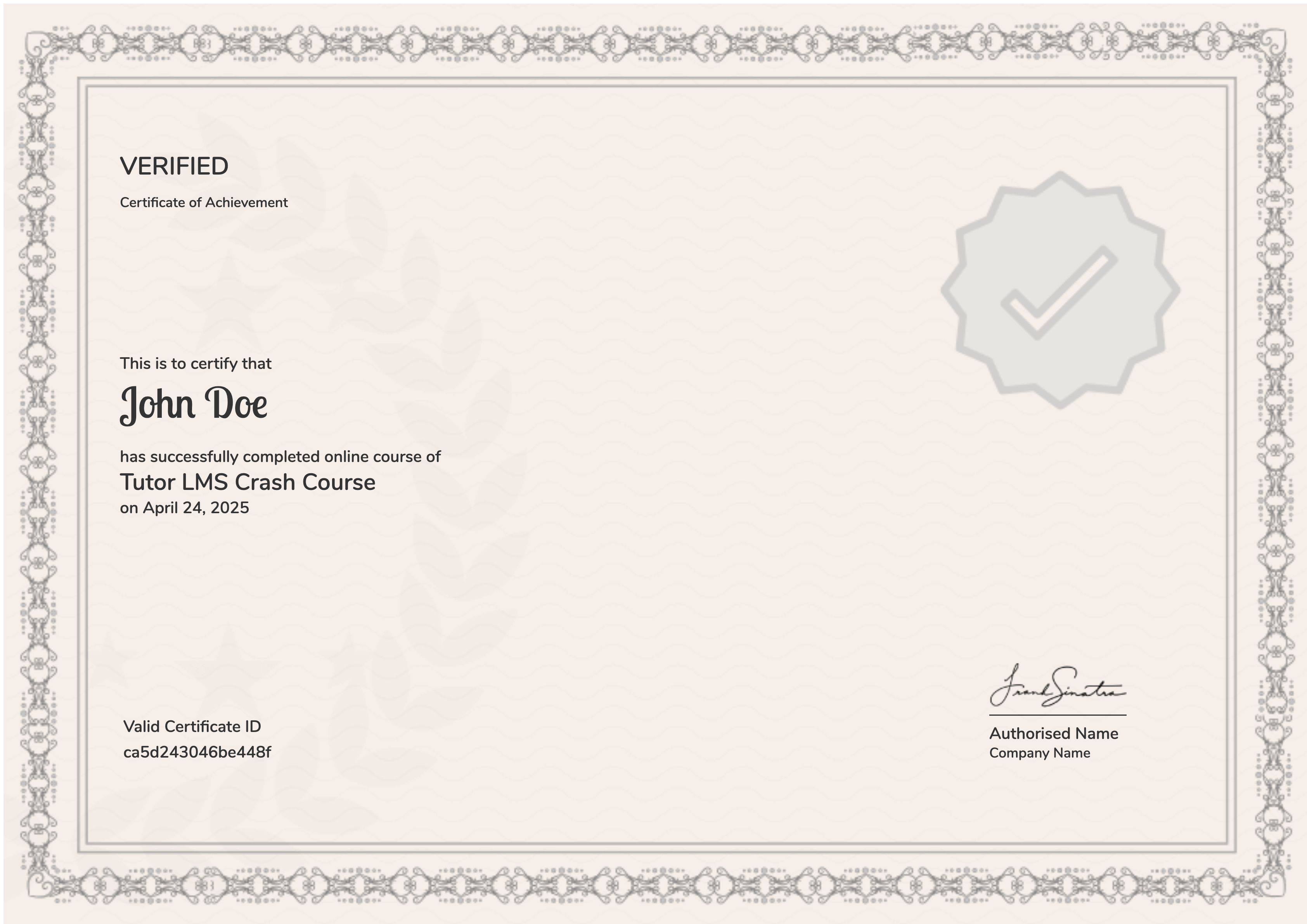
    Earn a certificate

    Add this certificate to your resume to demonstrate your skills & increase your chances of getting noticed.

    selected template

    How to Evaluate the Syllabus

    Before joining, ask the institute for the latest syllabus in writing. Check the number of sessions assigned to each technology, the practical exercises, the project requirements, and the assessment method. A DevOps Certification Training in Chennai program should clearly explain the technologies included, the practical environments available, and the learning outcomes expected from participants.

    Student Ratings & Reviews

    No Review Yet
    No Review Yet

    Our Associations

    We are proudly associated with top industry partners and organizations that help our learners gain real-world exposure, placement opportunities, and career growth through quality training programs.

    futureskills prime

    Future Skills

    nasscom

    NASSCOM Futureskills

    IABAC-Logo

    IABAC

    DevOps Development Tools & Technologies Covered

    Modern DevOps work often involves several tools working together. Understanding their individual responsibilities helps learners select the right application for a particular technical requirement.

    Linux

    Linux is an operating system widely used in server environments, cloud infrastructure, and application hosting. Its capabilities include command-line operations, file management, user administration, process management, and system configuration. Linux knowledge helps DevOps professionals work with servers and troubleshoot operational problems.

    Git and GitHub

    Git is a version control system used to track changes in source code. GitHub provides a platform for hosting Git repositories and collaborating on software projects. Developers and DevOps professionals use these technologies to manage code changes and coordinate development activities.

    Shell Scripting

    Shell scripting helps automate repetitive command-line operations. It can be used for file management, system checks, administrative tasks, and basic deployment automation.

    Jenkins

    Jenkins supports continuous integration and continuous delivery workflows. It can automate application builds, testing processes, and deployment activities through pipelines.

    Docker

    Docker provides containerisation capabilities. It allows applications and their dependencies to be packaged into images and executed as containers.

    Kubernetes

    Kubernetes manages containerised applications across clusters. It supports deployment management, scaling, service discovery, and application orchestration.

    Ansible

    Ansible is used for configuration management and automation. It helps technical teams configure systems, install packages, and perform repeatable administrative tasks.

    Terraform

    Terraform supports Infrastructure as Code. It allows infrastructure resources to be described through configuration files and managed through a repeatable workflow.

    Cloud Platforms

    Cloud platforms provide computing, networking, storage, and other infrastructure services. DevOps professionals may use platforms such as AWS or Microsoft Azure to deploy and manage applications.

    Monitoring Tools

    Monitoring tools help examine system health and application performance. Prometheus and Grafana are examples of technologies used for collecting metrics and creating monitoring dashboards.

    How These Tools Work Together

    Consider a company that wants to release a new version of its web application. The developer first makes changes to the application and pushes the code to a Git repository. Jenkins can retrieve the latest code and automate the build and testing process. Docker can package the application into a container image. Kubernetes can deploy and manage the containerised application.

    Terraform may help provision the infrastructure, while Ansible can automate system configuration. Monitoring tools can then help technical teams examine application performance and infrastructure health.

    The tools have different responsibilities, but they contribute to the same overall software delivery process. Learners considering a DevOps Course in Chennai should understand these connections instead of treating every technology as an unrelated subject.

    Selecting the Right Tool

    Not every project needs every application.

    A small source code management task may require Git. A simple automation requirement may need shell scripting. A containerised application may use Docker, while a larger deployment environment may require Kubernetes.

    Infrastructure provisioning may benefit from Terraform, while configuration management may use Ansible.

    Tool selection depends on:

    • Project requirements.
    • Application architecture.
    • Infrastructure environment.
    • Team workflow.
    • Automation requirements.
    • Deployment complexity.
    • Security requirements.
    • Available resources.
    • Technical experience.

    Understanding these factors is more useful than simply knowing the names of popular software.

    Get the tool-wise syllabus and lab details.

    Call +91 74181 88585

    DevOps Course Projects & Practical Training

    Practical assignments help learners convert theoretical knowledge into working skills. A student may understand a Jenkins pipeline during a lecture, but creating one independently requires a different level of understanding. Placement Point Solutions should provide clear information about its guided exercises, hands-on assignments, and project-based activities.

    Why Are Projects Important?

    Projects help learners experience the stages of a software delivery workflow. They also provide opportunities to practise version control, scripting, automation, containerisation, deployment, infrastructure management, and troubleshooting. A well-designed project should contain a clear objective and a technical environment that supports the required activities.

    01

    Project 1: Linux Server Administration

    Objective: Understand basic Linux system administration.

    Learners may work with:

    • Linux directories.
    • File creation.
    • File permissions.
    • User accounts.
    • Group management.
    • Process examination.
    • Service management.
    • Log file inspection.

    They can practise creating users, managing files, examining running processes, and performing basic administrative operations.

    02

    Project 2: Git and GitHub Repository Management

    Objective: Understand version control and collaborative development.

    Learners may practise:

    • Creating repositories.
    • Tracking changes.
    • Making commits.
    • Creating branches.
    • Merging changes.
    • Resolving conflicts.
    • Connecting remote repositories.
    • Pushing and pulling code.

    This project introduces the importance of source code management.

    03

    Project 3: Shell Scripting Automation

    Objective: Automate repetitive Linux operations.

    Learners may create scripts to:

    • Create directories.
    • Organise files.
    • Examine system information.
    • Check running processes.
    • Monitor disk usage.
    • Automate basic administrative tasks.

    They should also practise using variables, conditions, and loops.

    04

    Project 4: Jenkins CI/CD Pipeline

    Objective: Automate application build and testing activities.

    Learners may configure a pipeline that:

    • Retrieves code from Git.
    • Builds the application.
    • Executes selected tests.
    • Generates build outputs.
    • Reports pipeline results.

    This project demonstrates how continuous integration can reduce repetitive manual activities.

    05

    Project 5: Docker Containerisation

    Objective: Package an application into a container.

    Learners may:

    • Create a Dockerfile.
    • Build an image.
    • Run a container.
    • Examine container logs.
    • Configure environment variables.
    • Work with volumes.
    • Understand container networking.

    The project helps learners understand how applications can operate in consistent environments.

    06

    Project 6: Kubernetes Application Deployment

    Objective: Deploy and manage a containerised application.

    Learners may practise:

    • Creating pods.
    • Defining deployments.
    • Configuring services.
    • Scaling applications.
    • Examining application status.
    • Reviewing logs.
    • Performing rolling updates.

    This project introduces container orchestration and basic application management.

    07

    Project 7: Ansible Configuration Automation

    Objective: Automate server configuration.

    Learners may create playbooks to:

    • Install software packages.
    • Create users.
    • Configure services.
    • Manage files.
    • Apply system settings.
    • Execute repeatable administrative tasks.

    The project demonstrates how configuration management helps maintain consistent environments.

    08

    Project 8: Terraform Infrastructure Provisioning

    Objective: Understand Infrastructure as Code.

    Learners may create basic Terraform configurations to:

    • Define infrastructure resources.
    • Configure providers.
    • Create variables.
    • Generate execution plans.
    • Apply infrastructure changes.
    • Examine resource state.

    Cloud usage and associated costs should be controlled during practical exercises.

    09

    Project 9: End-to-End DevOps Deployment

    Objective: Combine multiple DevOps technologies into one workflow.

    A sample project may involve:

    • Maintaining application code in Git.
    • Automating builds through Jenkins.
    • Creating Docker images.
    • Deploying containers.
    • Managing application resources.
    • Configuring infrastructure.
    • Monitoring application performance.

    The actual tools and project complexity should depend on the official course syllabus.

    How to Build a Good Project Portfolio

    A portfolio should explain the purpose of each project, the technologies used, the steps followed, and the results achieved.

    A project description should answer five important questions:

    1. What problem were you trying to solve?
    2. Which technologies did you use?
    3. How did you configure the environment?
    4. Which automation and deployment steps did you perform?
    5. What challenges did you encounter, and how did you resolve them?

    Learners should also be prepared to explain the limitations of their projects. Completing projects independently is especially valuable for people pursuing DevOps Courses Chennai with Placement because interviewers may ask detailed questions about practical experience.

    Want to see sample project work?

    Call +91 74181 88585

    DevOps Training in Chennai Methodology & Assessments

    Training methodology influences how learners understand technical subjects and develop practical skills. An effective learning structure should combine explanations, demonstrations, guided exercises, independent assignments, and project activities. The purpose of these methods is to help learners progress from understanding DevOps concepts to applying them independently in real-world software development and deployment environments.

    01

    Instructor-Led Explanations

    Instructor-led explanations introduce DevOps concepts and tools in a structured manner. An instructor may explain the purpose of DevOps, its important principles, and the situations in which different tools are used. For example, during an introductory Git session, learners may first understand version control before studying repositories, branching, merging, and collaboration workflows. Clear explanations help beginners understand why a particular operation is performed instead of simply memorising commands.

    02

    Live Demonstrations

    Live demonstrations allow learners to observe how DevOps tools and operations work in practical environments. An instructor may demonstrate how to manage source code using Git, configure build pipelines using Jenkins, create Docker containers, deploy applications, or manage cloud infrastructure. Demonstrations are particularly useful when introducing unfamiliar tools, command-line operations, and automation workflows. Learners should follow the demonstrated steps and attempt similar tasks independently.

    03

    Guided Exercises

    Guided exercises provide opportunities to practise DevOps concepts with instructional support. For example, after learning Git commands, learners can practise creating repositories, committing changes, and managing branches. During Docker sessions, they can build container images and run applications inside containers. Similarly, Jenkins exercises can introduce learners to creating and executing continuous integration pipelines. These exercises help identify misunderstandings before learners move towards more complex assignments.

    04

    Independent Assignments

    Independent assignments encourage learners to apply their knowledge without depending entirely on demonstrations. An assignment may require participants to create a Git repository, configure a Jenkins pipeline, develop a Dockerfile, automate deployment tasks, or manage application environments. Completing these tasks independently can improve technical confidence and problem-solving abilities.

    05

    Project-Based Learning

    Project-based learning combines multiple DevOps concepts and tools within a single practical activity. A learner working on an application deployment project may use Git for version control, Jenkins for continuous integration, Docker for containerisation, Kubernetes for container orchestration, and cloud platforms for deployment. Projects also encourage learners to document their workflows, troubleshoot errors, and understand how different tools contribute to the software delivery lifecycle.

    Assessment Methods

    The exact assessment structure should be confirmed with the institute. Common assessment methods in Devops Training in Chennai with Placement include:

    • Topic-based exercises.
    • Git and version control assignments.
    • Linux command-line exercises.
    • Jenkins pipeline configuration tasks.
    • Docker containerisation assignments.
    • Kubernetes deployment exercises.
    • CI/CD pipeline implementation.
    • Cloud infrastructure management activities.
    • Practical automation assignments.
    • End-to-end application deployment projects.
    • Technical discussions and scenario-based assessments.

    Assessments should ideally examine whether learners understand DevOps concepts and can apply relevant tools and practices to practical development, deployment, and infrastructure management tasks.

    How Learners Can Improve Their Performance

    Learners should maintain a regular practice schedule. Instead of studying each DevOps tool only once, they should revisit previous exercises and attempt similar tasks independently. For example, after learning Git branching, practise managing multiple development branches and resolving merge conflicts. After creating a Docker container, try building and running another application using a different Dockerfile. When learning Jenkins, create pipelines for different build and deployment scenarios. During Kubernetes sessions, practise deploying applications, managing pods, and troubleshooting common errors.

    DevOps Trainers & Industry Mentors

    Trainers play an important role in the learning experience. Their responsibility extends beyond explaining software features. They should help learners understand DevOps concepts, demonstrate practical applications, and provide guidance when learners face difficulties.

    Our DevOps programme is handled by Abi and Rohit. Abi holds a B.Sc. qualification along with an MC, while Rohit holds a B.E. degree in Computer Science and Engineering. Both trainers have two years of teaching experience in DevOps and help learners understand the subject's fundamental concepts.

    01

    Importance of Trainer Experience

    DevOps involves both theoretical understanding and practical implementation. A trainer should ideally understand the technologies being taught and be able to explain how they are used in different software development and deployment environments.

    For example, explaining Git commands is useful, but demonstrating how developers manage source code, collaborate through branches, and resolve merge conflicts provides additional practical context. Similarly, a Jenkins trainer should be able to explain continuous integration concepts and demonstrate how automated build and deployment pipelines work.

    02

    What Should Learners Look For?

    Before joining a DevOps Course, learners can ask about:

    • Trainer qualifications.
    • Relevant technical experience.
    • DevOps tools and technologies taught.
    • Previous teaching experience.
    • Practical demonstrations.
    • Project guidance.
    • Doubt-clearing arrangements.
    • Individual feedback.

    These details can help learners understand the teaching arrangements.

    03

    Industry-Relevant Teaching

    Industry-relevant teaching connects technical concepts with practical workplace requirements. For example, learners studying version control can practise managing application source code using Git. Those learning Jenkins can create automated CI/CD pipelines. Docker learners can explore containerisation, while Kubernetes learners can practise deploying and managing containerised applications. Such examples help learners understand why particular technologies are used in software development and operations.

    However, learners should distinguish between practical training examples and actual commercial industry projects. Any claim of live company project access should be verified with the institute.

    04

    Mentoring and Doubt Resolution

    Mentoring can help learners identify areas where they need additional practice. A useful mentoring arrangement may include reviewing assignments, discussing project approaches, explaining difficult concepts, troubleshooting technical errors, and suggesting suitable learning resources.

    Doubt resolution is especially important when studying DevOps because configuration errors, incorrect commands, and pipeline failures can prevent applications from building or deploying successfully. Learners should understand whether doubts can be discussed during regular sessions, through additional classes, or through another communication arrangement.

    05

    Questions to Ask Before Enrolment

    Ask whether the same trainer will handle the entire batch, whether additional sessions are available, and how doubts are resolved. If the institute has industry mentors, clarify whether mentoring involves classroom teaching, individual discussions, guest sessions, or project reviews. These details help learners evaluate the actual value of the training.

    Certification

    DevOps Certification Details

    DevOps Certification Training in Chennai can provide evidence that a learner has completed a particular training program or passed an assessment. However, learners should understand the difference between an institute-issued course completion certificate for DevOps training in Chennai and a certificate awarded through an independent examination or a recognised technology provider. DevOps training in Chennai with a certificate can support a candidate's professional profile, but it does not replace technical knowledge, practical experience, or the ability to explain projects.

    Ask about certificates and exam details.

    Call +91 74181 88585
    01

    What Is a DevOps Course Completion Certificate?

    DevOps training in Chennai with a certificate generally confirms that a learner has completed a specified training program or fulfilled the requirements of the DevOps institute in Chennai. The exact information depends on the issuing organisation.

    02

    Why Is Certification Useful?

    DevOps Certification Training in Chennai can help learners document their training and demonstrate their interest in developing technical skills. For recent graduates, it may provide an additional qualification to include in a resume. For working professionals, it can document participation in further technical learning. However, employers may place greater importance on practical skills, project experience, and interview performance than on a course completion certificate alone.

    03

    What Should Learners Verify?

    Before enrolling in a DevOps Certification Course in Chennai, ask:

    1. Who issues the DevOps training certificate?
    2. Is it an institute-issued certificate?
    3. Is an examination required?
    4. What are the passing criteria?
    5. Are there additional examination fees?
    6. Does the certificate mention the technologies covered?
    7. Can the certificate be independently verified?

    Learners should also ask whether the certificate is issued after attendance, successful completion of assignments, project evaluation, or a formal examination.

    04

    Preparing for Certification

    Preparation should begin during the training period rather than immediately before the final assessment. Learners should revise important concepts, practise technical exercises, complete assignments, and review project documentation.

    For example, someone preparing for a Git assessment should practise version control commands, branching, and merging. Jenkins learners should revise pipeline configuration and CI/CD concepts. Docker learners should practise creating images and managing containers, while Kubernetes learners should understand deployments, pods, services, and container orchestration.

    05

    Certification and Career Development

    DevOps Certification Training in Chennai can be one component of career development, but it should be supported by practical evidence. A learner who has completed a course and developed meaningful projects may be better prepared to explain technical knowledge during interviews. The best DevOps training in Chennai approach is to combine formal learning, independent practice, project documentation, and continued technical development.

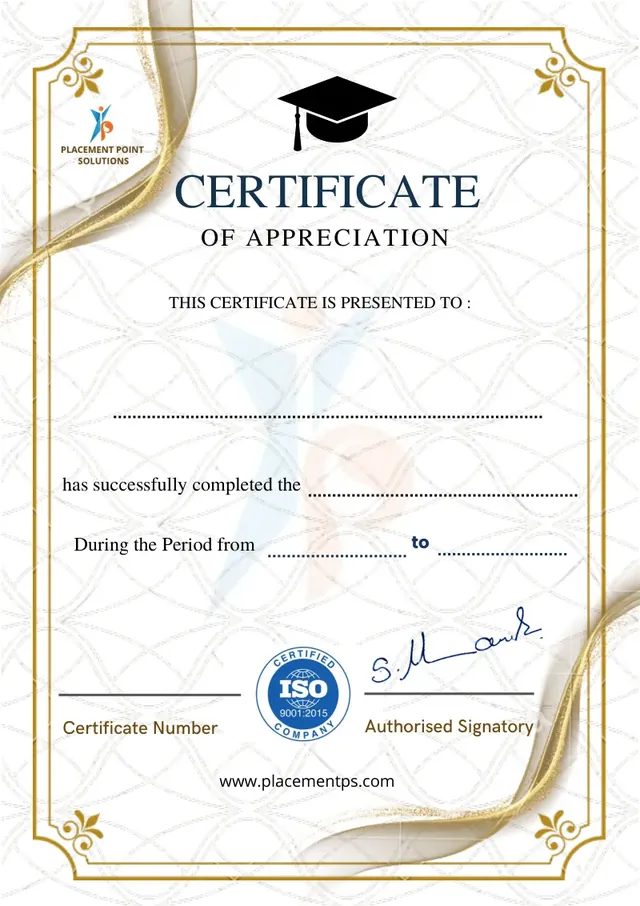
    Earn a certificate

    Add this certificate to your resume to demonstrate your skills & increase your chances of getting noticed.

    Placement Point Solutions Certificate

    DevOps Placement Assistance & Interview Preparation

    Learning DevOps technologies is an important step towards developing technical skills. However, learners who plan to enter the employment market should also understand how recruitment processes work and how to communicate their knowledge effectively. Devops Training in Chennai with Placement assistance generally refers to support that helps candidates prepare for employment opportunities.

    01

    What Is Placement Assistance?

    Placement assistance is intended to help learners understand the employment preparation process. It may support candidates in identifying relevant positions, improving their resumes, preparing for technical interviews, and presenting their practical work.

    Depending on the DevOps Institute in Chennai, this may include:

    • Resume preparation.
    • Interview guidance.
    • Technical revision.
    • Job opportunity information.
    • Mock interviews.
    • Project discussions.
    • Career counselling.

    Learners should understand that Devops Training in Chennai with Placement assistance and guaranteed employment are different. Employers make recruitment decisions based on their requirements, selection criteria, and assessment of individual candidates.

    02

    Resume Preparation

    A resume should present the candidate's education, technical knowledge, projects, and relevant experience clearly. For entry-level candidates, practical projects can help demonstrate their ability to work with DevOps tools and technologies.

    • Technical skills: List technologies that the candidate can genuinely use, such as Linux, Git, Jenkins, Docker, Kubernetes, Ansible, Terraform, or cloud platforms.
    • Projects: Describe completed projects, including their objectives, tools, implementation steps, and outcomes.
    • Certifications: Include relevant certificates and training programs.
    • Work experience: Mention previous employment, internships, or relevant responsibilities.
    03

    Technical Interview Preparation

    Technical interviews assess whether candidates understand the tools and concepts relevant to a particular DevOps position.

    Candidates should revise the fundamentals of each technology and understand how different tools contribute to software development, automation, deployment, and infrastructure management.

    Important areas include:

    Linux and Operating Systems

    • Linux commands.
    • File and directory management.
    • User and permission management.
    • Process management.
    • Shell scripting.
    • Package management.
    • System monitoring.
    • Basic networking concepts.

    Version Control Using Git

    • Git fundamentals.
    • Repository creation.
    • Branching and merging.
    • Commit management.
    • Merge conflict resolution.
    • GitHub and GitLab.
    • Collaborative development workflows.

    Continuous Integration and Continuous Delivery

    • CI/CD fundamentals.
    • Jenkins architecture.
    • Pipeline creation.
    • Build automation.
    • Automated testing.
    • Deployment pipelines.
    • Pipeline troubleshooting.
    • Integration with version control systems.

    Containerisation Using Docker

    • Containerisation fundamentals.
    • Docker architecture.
    • Docker images and containers.
    • Dockerfile creation.
    • Docker Compose.
    • Container networking.
    • Volume management.
    • Container troubleshooting.

    Container Orchestration Using Kubernetes

    • Kubernetes architecture.
    • Pods and deployments.
    • Services and namespaces.
    • ConfigMaps and Secrets.
    • ReplicaSets.
    • Scaling applications.
    • Rolling updates.
    • Application monitoring.

    Infrastructure Automation and Cloud

    • Infrastructure as Code (IaC).
    • Terraform fundamentals.
    • Ansible automation.
    • Cloud computing concepts.
    • Virtual machines and networking.
    • Infrastructure provisioning.
    • Configuration management.
    • Cloud deployment practices.

    Monitoring and Logging

    • Application monitoring.
    • Infrastructure monitoring.
    • Log management.
    • Performance monitoring.
    • Prometheus fundamentals.
    • Grafana dashboards.
    • Troubleshooting deployment issues.
    04

    Project-Based Interview Questions

    Interviewers may ask candidates to explain their previous projects.

    Common questions include:

    • What was the objective of your project?
    • Which DevOps tools did you use?
    • How did you manage source code?
    • How did you configure the CI/CD pipeline?
    • Why did you choose Docker for containerisation?
    • How did you deploy applications using Kubernetes?
    • What difficulties did you encounter during deployment?
    • How did you identify and resolve pipeline failures?
    • How did you monitor application performance?
    • What improvements would you make?

    Candidates should answer using their actual project experience.

    For example, when discussing an application deployment project, candidates should explain the development workflow, source code management, build automation, containerisation, deployment process, and monitoring activities. A clear explanation is generally more convincing than using complicated technical terms without demonstrating understanding.

    05

    Communication Skills

    Communication skills are important because DevOps professionals often collaborate with developers, testers, system administrators, and infrastructure teams. They may need to explain deployment issues, discuss automation requirements, document technical processes, or coordinate application releases. Candidates should practise explaining technical concepts in simple language.

    06

    Placement Expectations

    Learners interested in DevOps Course in Chennai with Placement should confirm the number of placement opportunities, eligibility requirements, employer connections, and support duration. They should also clarify whether placement assistance includes resume preparation, mock interviews, interview scheduling, or access to job opportunities.

    Know how our placement support works.

    Call +91 74181 88585

    DevOps Career Opportunities

    DevOps technologies are used across several industries, including information technology, banking, healthcare, retail, manufacturing, logistics, education, and telecommunications. As organisations increasingly adopt cloud computing, application automation, and continuous software delivery, professionals who understand development operations, infrastructure management, and deployment automation may explore different career opportunities.

    DevOps Engineer

    A DevOps Engineer helps organisations streamline software development, testing, deployment, and maintenance processes. The role involves connecting development and operations activities through automation and collaboration. Responsibilities may include managing CI/CD pipelines, automating deployment processes, maintaining infrastructure, managing containers, monitoring applications, and troubleshooting technical issues. Knowledge of Linux, Git, Jenkins, Docker, Kubernetes, scripting, and cloud platforms can be valuable for this career direction.

    Site Reliability Engineer (SRE)

    A Site Reliability Engineer focuses on maintaining the reliability, availability, and performance of software applications and infrastructure. The role combines software engineering principles with IT operations practices to improve system stability. Responsibilities may include monitoring system performance, automating operational tasks, managing incidents, identifying infrastructure issues, improving system availability, and implementing reliability practices. Knowledge of Linux, Python, monitoring tools, cloud platforms, Kubernetes, networking, and automation can be valuable for this career path.

    Cloud Engineer

    A Cloud Engineer designs, implements, and maintains cloud-based infrastructure and services. DevOps knowledge supports this role by helping professionals automate infrastructure provisioning, manage application deployments, and maintain cloud environments. Responsibilities may include configuring cloud resources, managing virtual machines, implementing networking solutions, monitoring cloud infrastructure, automating deployments, and maintaining security configurations. Knowledge of AWS, Microsoft Azure, Google Cloud, Linux, Terraform, networking, and containerisation can be useful for this career direction.

    Build and Release Engineer

    A Build and Release Engineer manages the processes involved in building, testing, packaging, and releasing software applications. The role focuses on making software delivery more consistent and efficient through automation and structured release management. Responsibilities may include configuring build pipelines, managing software versions, automating release processes, coordinating deployments, troubleshooting build failures, and maintaining deployment documentation. Knowledge of Git, Jenkins, CI/CD tools, scripting, build automation, and software development workflows is relevant to this career path.

    Automation Engineer

    An Automation Engineer develops scripts and automated workflows to reduce repetitive manual activities in software development and IT operations. DevOps practices provide a foundation for automating infrastructure management, configuration, testing, and application deployment. Responsibilities may include writing automation scripts, managing configuration files, automating infrastructure provisioning, integrating development tools, and troubleshooting automated workflows. Python, Bash, Ansible, Terraform, Jenkins, and Linux are useful technologies for this career direction.

    How to Prepare for These Careers

    Learners should choose projects that relate to their preferred career direction. For example, someone interested in cloud engineering can develop a project involving cloud infrastructure provisioning and application deployment. A learner interested in automation can create scripts for repetitive system administration tasks. Those interested in DevOps engineering can build an end-to-end CI/CD pipeline using Git, Jenkins, and Docker.

    A structured DevOps course in Chennai can provide an introduction to these technologies, but learners should continue developing their knowledge through independent practice, practical projects, and continuous technical learning.

    Find the right career path for your profile.

    Call +91 74181 88585

    SALARY INSIGHTS

    DevOps Engineer Salary Insights (India). DevOps offers strong career growth with salaries increasing based on skills, hands-on experience, and tool expertise.

    Freshers

    ₹3 LPA – ₹6 LPA

    Entry-level roles such as Junior DevOps Engineer, Cloud Operations Engineer, or Build & Release Engineer. Salaries depend on Jenkins, Docker, Kubernetes skills and project exposure.

    Career Switchers

    ₹5 LPA – ₹9 LPA

    Professionals moving from non-IT domains can leverage domain knowledge with DevOps skills for faster growth.

    Experienced Professionals

    ₹8 LPA – ₹15+ LPA

    Advanced CI/CD pipelines, cloud automation, monitoring, and operational efficiency lead to senior-level salary growth.

    Disclaimer: Salary figures are indicative estimates based on market trends and may vary depending on skills, experience, location, company policies, and individual performance.

    DevOps Career Salary in Chennai

    Salary is an important consideration for learners exploring DevOps as a career. However, there is no single salary applicable to every Devops Training in Chennai with Placement. Compensation varies according to experience, technical proficiency, education, company size, industry, responsibilities, and interview performance.

    Experience

    Entry-level candidates and experienced professionals generally have different compensation expectations. Professionals with several years of relevant experience may qualify for responsibilities involving complex deployment pipelines, infrastructure automation, cloud management, system monitoring, and production troubleshooting.

    Technical Skills

    Employers may look for different combinations of Linux, Git, Jenkins, Docker, Kubernetes, Python, Bash, Terraform, Ansible, AWS, and Microsoft Azure. The importance of each skill depends on the job description.

    Project Experience

    Candidates who can explain practical DevOps projects may be better prepared for technical interviews. A project portfolio demonstrates how a learner approaches automation, manages source code, configures CI/CD pipelines, deploys applications, and manages infrastructure.

    Industry

    Financial services, technology, healthcare, retail, consulting, manufacturing, and telecommunications organisations may have different salary structures depending on their DevOps and cloud infrastructure requirements.

    Communication Skills

    DevOps professionals often need to explain deployment issues, discuss infrastructure requirements, coordinate application releases, and collaborate with development and operations teams. Clear communication can therefore be an important professional advantage.

    Entry Level

    Entry-Level Devops Training in Chennai with Placement Opportunities

    Fresh graduates may begin with Junior DevOps Engineer, Cloud Support Associate, or related entry-level responsibilities. Their work may involve managing source code repositories, monitoring applications, assisting with deployment activities, writing basic automation scripts, and supporting experienced DevOps professionals.

    Experienced

    Experienced DevOps Opportunities

    Experienced professionals may handle complex CI/CD pipelines, manage cloud infrastructure, implement container orchestration, automate deployment processes, and improve application reliability. Some positions may also require expertise in Kubernetes, Terraform, configuration management, cloud architecture, or specialised monitoring technologies.

    How to Research Current Salaries

    Candidates should compare recent job advertisements, salary reports, and recruitment information.

    They should examine the following:

    • Job title.
    • Experience requirements.
    • Required technologies.
    • Company industry.
    • Job responsibilities.
    • Salary structure.
    • Location.
    • Additional benefits.

    The source material provided for this article does not include verified Chennai salary figures. Therefore, learners should avoid treating a promotional salary estimate as a guaranteed outcome. A DevOps Course in Chennai may help learners develop relevant technical skills, but salary progression depends on their actual capabilities, practical project experience, and professional expertise.

    Plan your career move with our counsellor.

    Call +91 74181 88585

    DevOps Course FAQs

    What is a DevOps Course? +

    Placement Point Solutions is the Best Devops Training Center in Chennai, because our DevOps Course is designed to help learners understand how software is developed, tested, deployed, and maintained through automation and collaboration. Our training covers essential tools and technologies such as Linux, Git, Jenkins, Docker, Kubernetes, Ansible, Terraform, cloud platforms, and CI/CD pipelines. We focus on building practical knowledge that learners can apply to real-world software development and deployment tasks.

    How is Placement Point Solutions the Best Devops Training Center in Chennai, because they teach DevOps to beginners? +

    Placement Point Solutions introduces learners to foundational concepts before progressing towards technical tools and practical exercises. The learning approach focuses on helping participants understand Linux fundamentals, version control, automation, containerisation, continuous integration, continuous delivery, and cloud infrastructure.

    What technologies are covered in the DevOps Course? +

    The course covers important DevOps tools and technologies such as Linux, Git, GitHub, Jenkins, Docker, Kubernetes, Ansible, Terraform, and cloud platforms. Learners should request the latest syllabus to confirm the exact topics and depth of coverage.

    Does Placement Point Solutions provide practical training? +

    Practical learning is one of the areas highlighted by the DevOps Institute in Chennai. Learners can enquire about the exercises, assignments, demonstrations, and projects included in the current course structure.

    Does the DevOps Course include project-based learning? +

    Project-based learning is an important feature to consider when selecting a DevOps course. Projects can help learners apply their knowledge to practical software deployment scenarios and understand how different DevOps tools work together.

    Can beginners join the DevOps Course without programming experience? +

    Beginners can explore foundational DevOps concepts before progressing towards scripting and automation. Learners should ask the Best DevOps Training Institute in Chennai about its admission requirements and the level of Linux, programming, or scripting knowledge expected during the course.

    Is Linux knowledge necessary to learn DevOps at Placement Point Solutions? +

    Basic Linux knowledge is useful for understanding DevOps operations. Learners should become familiar with command-line operations, file management, permissions, processes, and basic shell commands. Advanced automation topics may require additional scripting knowledge. Learners can clarify the Linux topics included in the syllabus.

    Does Placement Point Solutions provide Tamil and English training? +

    Learners can confirm whether Tamil and English instruction is available for their preferred batch and enquire about the language arrangements before enrolment.

    What training modes are available? +

    Learners can enquire about classroom, online, and hybrid training arrangements. The availability of each mode, batch timings, and attendance requirements should be confirmed before enrolment.

    Does Placement Point Solutions provide LMS access? +

    Learners can enquire about LMS access and the practice server facilities available with the course. They should confirm the included facilities, access duration, available materials, and applicable conditions.

    How long does the DevOps Course take to complete? +

    The actual course duration depends on the syllabus, training schedule, and number of instructional hours. Learners should confirm the batch calendar, practical session duration, and overall completion timeline with the institute.

    Are practical assignments included in the training? +

    Practical exercises and assignments are important parts of the DevOps learning methodology. Learners should ask for examples of assignments involving Git, Jenkins, Docker, Kubernetes, and automation tools, along with information about how completed work is reviewed.

    Does Placement Point Solutions help learners with projects? +

    Learners can enquire about project-based learning and project guidance. Before enrolling, ask whether the projects are individual or group-based and how instructors provide feedback during project development.

    Does the institute provide certification after course completion? +

    Learners should ask why Placement Point Solutions is the Best Devops Training Center in Chennai, because of its current DevOps Certification Training in Chennai arrangements. It is important to understand who issues the Best Devops Training in Chennai certificate, what completion requirements apply, and whether a separate examination is necessary.

    Does Placement Point Solutions provide placement assistance? +

    The Best DevOps Training Institute in Chennai identifies placement assistance and career guidance among its support areas. Learners should request the current placement policy and clarify eligibility requirements, support duration, and the services included.

    Does the institute help with resume preparation? +

    Resume preparation is one of the career support areas learners can enquire about. Learners can ask about individual resume reviews and guidance on presenting their technical skills, certifications, and DevOps projects effectively.

    Does Placement Point Solutions provide interview preparation? +

    Interview preparation and technical discussions are among the career support areas learners can enquire about. Participants should clarify whether mock interviews, technical revision, and project-based discussions are included.

    Can working professionals join the DevOps Course? +

    Working professionals can explore the course if the training schedule suits their availability and learning objectives. They should confirm batch timings, training modes, and attendance arrangements before registering.

    Does completing the DevOps Course guarantee a job? +

    No course completion should automatically be interpreted as a guaranteed employment outcome. Placement assistance can help learners prepare for recruitment opportunities, but employers make their own hiring decisions based on qualifications, technical skills, practical experience, and interview performance.

    How can learners enrol in the DevOps Course at Placement Point Solutions? +

    Interested learners can contact Placement Point Solutions is the Best Devops Training Center in Chennai, because to enquire about the latest syllabus, DevOps course fees in Chennai, batch availability, training modes, and enrolment process. Requesting these details in writing can help learners make an informed decision before registration.

    What Is the Difference Between DevOps and Traditional Software Development? +

    Traditional software development generally separates development and operations activities, with teams often working independently during different stages of the software delivery process. DevOps encourages collaboration between these teams through automation, continuous integration, continuous delivery, and infrastructure management. DevOps Courses in Chennai, provided by Placement Point Solutions, introduce learners to the differences between these approaches. The training covers development and operations concepts, helping learners understand how DevOps practices improve collaboration, streamline deployment processes, reduce manual work, and support reliable software delivery.

    How Can I Select the Right Training Institute? +

    Choosing the Best DevOps Training Institute in Chennai is an important step towards building your career in DevOps. Learners should evaluate the actual training arrangements instead of depending entirely on advertisements or promotional statements. 1. Course syllabus: Request the latest syllabus and check whether it covers the subjects relevant to your career goals. 2. Technology coverage: Verify whether the institute teaches Linux, Git, Jenkins, Docker, Kubernetes, Ansible, Terraform, cloud platforms, and CI/CD pipelines. 3. Trainer experience: Enquire about the trainer's technical background, teaching experience, and familiarity with the technologies included in the course. 4. Practical training: Ask how much time is allocated to practical exercises and whether learners receive opportunities to practise independently using DevOps tools. 5. Project opportunities: Check the number of projects, their difficulty levels, and the guidance available during project development. A good training decision should be based on the learner's goals, available time, financial expectations, and the quality of the learning arrangements.

    Who This DevOps Course Is Not For

    This course is designed for learners who are genuinely interested in building practical DevOps skills. It may not be the right fit for everyone.

    ✔ If you are committed to learning, practicing consistently, and building real skills, this course can help you start or grow a career in DevOps.

    Start Your Journey Today

    Ready to build a successful career? Join our DevOps Training In Chennai with placement support.

    Enroll Now
    DevOps Training In Chennai

    HOW THIS COURSE WORKS

    This DevOps course follows a structured and practical learning journey to help you build confidence and job-ready skills step by step.

    1

    Learn the Fundamentals

    Start with core concepts of DevOps and gradually learn Linux, Docker, Jenkins, and Kubernetes with simple and easy explanations.

    2

    Practice with Real-World Scenarios

    Work on real datasets, hands-on exercises, and practical projects based on real business problems and industry use-cases.

    3

    Prepare for Interviews & Careers

    Get interview preparation, resume guidance, project explanation support, and career planning to confidently apply for DevOps Engineer roles.

    Top Features of DevOps Classes in Chennai

    ✓ Expert-Led Training
    ✓ Real-Time Industry Projects
    ✓ Comprehensive Tool Training
    ✓ Placement-Focused Curriculum
    ✓ Interview Preparation Support
    ✓ Certification Assistance
    ✓ Hands-on Practical Sessions
    ✓ Beginner-friendly Learning Path
    ✓ 100% Placement Support
    ✓ Flexible Learning Options

    📘 DevOps Interview Questions and Answers

    The following questions cover common foundational concepts relevant to Best Devops Training in Chennai in Chennai, essential DevOps tools, practical projects, and entry-level career preparation.

    1. What is DevOps? +

    DevOps is a combination of Development and Operations practices that helps organisations improve software development, testing, deployment, and maintenance. It focuses on collaboration, automation, continuous integration, and continuous delivery.

    2. What is the difference between DevOps and Agile? +

    Agile is a software development methodology that focuses on iterative development, collaboration, and continuous feedback. DevOps extends collaboration between development and operations teams by introducing automation, continuous integration, continuous delivery, and infrastructure management.

    3. What are the main principles of DevOps? +

    The main principles include collaboration, automation, continuous integration, continuous delivery, continuous monitoring, and continuous improvement. These practices help organisations streamline software delivery and improve operational efficiency.

    4. What is the DevOps lifecycle? +

    The DevOps lifecycle represents the stages involved in software development and delivery. Common stages include planning, coding, building, testing, releasing, deploying, operating, and monitoring.

    5. What is Linux, and why is it important in DevOps? +

    Linux is an operating system widely used in servers, cloud infrastructure, and application deployment environments. It is important in DevOps because professionals frequently use Linux commands for system administration, automation, application management, and troubleshooting.

    6. What is Git? +

    Git is a distributed version control system used to track changes in source code. It allows developers to manage different versions of projects, collaborate with team members, and maintain development history.

    7. What is the difference between Git and GitHub? +

    Git is a version control system used to track and manage source code changes. GitHub is a web-based platform that hosts Git repositories and provides collaboration features such as pull requests, issue tracking, and code reviews.

    8. What is a Git repository? +

    A Git repository is a storage location that tracks project files and their revision history. It contains information about commits, branches, and changes made during software development.

    9. What is branching in Git? +

    Branching allows developers to work on different features or modifications independently without affecting the main codebase. Changes can later be merged into the main branch after review and testing.

    10. What is Jenkins? +

    Jenkins is an open-source automation server used to automate software building, testing, and deployment processes. It is commonly used to implement continuous integration and continuous delivery pipelines.

    11. What is CI/CD? +

    CI/CD stands for Continuous Integration and Continuous Delivery or Continuous Deployment.

    • Continuous Integration: Developers regularly integrate code changes into a shared repository, where automated builds and tests help identify issues.
    • Continuous Delivery: Code changes are automatically prepared for release, while production deployment may require approval.
    • Continuous Deployment: Successfully tested changes are automatically deployed to production.
    12. What is a Jenkins Pipeline? +

    A Jenkins Pipeline is a sequence of automated stages that define how an application is built, tested, and deployed. It helps teams manage software delivery workflows through automation.

    13. What is Docker? +

    Docker is a containerisation platform that allows applications and their dependencies to be packaged into containers. These containers help applications run consistently across different computing environments.

    14. What is the difference between Docker images and containers? +

    A Docker image is a read-only template containing the application and its required dependencies. A container is a running or stopped instance created from that image.

    15. What is Kubernetes? +

    Kubernetes is an open-source container orchestration platform used to deploy, manage, and scale containerised applications. It helps automate tasks such as application scheduling, scaling, service discovery, and recovery.

    16. What is the difference between Docker and Kubernetes? +

    Docker is primarily used for building and running containers, while Kubernetes manages containerised applications across a cluster of machines. They serve different purposes and can work together in a DevOps environment.

    17. What is Infrastructure as Code (IaC)? +

    Infrastructure as Code is an approach to managing and provisioning infrastructure through configuration files rather than manual processes. Tools such as Terraform help automate the creation and management of infrastructure resources.

    18. What is Terraform? +

    Terraform is an Infrastructure as Code tool used to provision and manage infrastructure across different cloud providers and platforms. It allows users to define infrastructure resources through declarative configuration files.

    19. What is Ansible? +

    Ansible is an automation and configuration management tool used to configure systems, deploy applications, and automate repetitive IT operations. It commonly uses YAML-based playbooks to define automation tasks.

    20. What is cloud computing, and why is it important in DevOps? +

    Cloud computing provides computing resources such as servers, storage, databases, and networking through internet-based platforms. It is important in DevOps because it supports scalable infrastructure, automated provisioning, application deployment, and resource management.

    21. What is monitoring in DevOps? +

    Monitoring involves continuously observing applications, servers, and infrastructure to understand their performance, availability, and operational health. Tools such as Prometheus and Grafana help collect metrics and present monitoring information through dashboards.

    22. What should you explain when presenting a DevOps project? +

    Explain the project's objective, development environment, tools used, source code management process, CI/CD pipeline, containerisation approach, deployment steps, monitoring methods, and challenges encountered. You should also describe how you identified problems and what improvements could be made.

    23. How can a fresher prepare for a DevOps-related career? +

    A fresher should develop foundational knowledge of Linux, Git, networking, scripting, Jenkins, Docker, Kubernetes, and cloud computing. Completing independent projects, practising automation tasks, preparing a technical resume, and practising interview questions can also support career preparation.

    Interview Prep

    How to Prepare for Technical Interviews

    Get guided interview preparation support.

    Call +91 74181 88585

    Technical interview preparation should involve regular revision, practical exercises, and the ability to explain concepts clearly. Candidates should begin by identifying the technical requirements of their preferred job roles. For an entry-level DevOps Engineer position, preparation may concentrate on Linux, Git, basic networking, scripting, Docker, and CI/CD concepts. For a Cloud or Site Reliability Engineering role, candidates may need additional practice with cloud platforms, Kubernetes, Terraform, infrastructure automation, monitoring, and troubleshooting.

    Related DevOps Resources

    Learning DevOps does not end with completing a training program. Technology changes continuously, and professionals need to update their knowledge through regular practice, independent learning, and exposure to new tools and applications. Learners should develop a habit of exploring technical documentation, practising with DevOps tools, completing independent exercises, and reviewing concepts covered during training.

    Linux and Shell Scripting Learning

    Learners can explore Linux fundamentals, including file management, directory navigation, user permissions, process management, networking commands, and package installation. Shell scripting helps automate repetitive tasks, manage system operations, and support DevOps workflows.

    Git and GitHub Learning

    Learners can strengthen their understanding of version control using Git and platforms such as GitHub. Important areas include repositories, commits, branches, merging, pull requests, conflict resolution, and collaborative development workflows.

    Docker and Containerisation Learning

    Learners can practise containerisation using Docker. Important topics include Docker images, containers, Dockerfiles, volumes, networks, and Docker Compose. These concepts help learners understand how applications are packaged and deployed consistently across different environments.

    Jenkins and CI/CD Learning

    Jenkins provides resources for understanding continuous integration and continuous delivery workflows. Learners can explore pipeline creation, automated builds, testing, deployment, plugins, and integration with version control systems.

    Kubernetes Learning

    Learners interested in container orchestration can explore Kubernetes. Important areas include pods, deployments, services, namespaces, configuration management, scaling, and application monitoring.

    Terraform and Ansible Learning

    Learners can explore infrastructure automation using tools such as Terraform and Ansible. Terraform helps manage infrastructure through code, while Ansible supports configuration management and automation. These tools are useful for understanding repeatable infrastructure provisioning and system configuration.

    Cloud and Monitoring Learning

    Learners can develop their understanding of cloud platforms such as AWS, Microsoft Azure, and Google Cloud. They can also explore monitoring and observability tools such as Prometheus and Grafana to understand system performance, application health, metrics, and troubleshooting.

    Building a Personal DevOps Portfolio

    A personal portfolio allows learners to document their practical work and demonstrate their technical abilities. It can contain Git repositories, Linux administration exercises, shell scripts, Jenkins pipelines, Docker configurations, Kubernetes deployment files, Terraform scripts, Ansible playbooks, and cloud deployment projects.
    A well-organised portfolio should include:

    • Project title: Give each project a clear and descriptive name.
    • Project objective: Explain the problem the project attempts to address or the task it is designed to automate.
    • Project requirements: Describe the application, infrastructure, operating system, and environment required for the project.
    • Technology used: Mention the programming languages, DevOps tools, cloud platforms, and automation technologies involved.
    • Configuration and setup: Explain how the environment was configured, including the installation of required tools, dependencies, and services.

    • Implementation methodology: Describe the steps involved in version control, CI/CD pipeline creation, containerisation, infrastructure provisioning, and deployment.

    • Results: Present the project outcomes through explanations, pipeline screenshots, deployment details, configuration files, or monitoring dashboards.
    • Limitations: Identify any restrictions in the project, assumptions, configuration challenges, or technologies used.

    Someone interested in DevOps can create a beginner-level project that uses Git, Jenkins, and Docker to build and deploy a simple application. Learners can also explore Kubernetes deployments or infrastructure provisioning using Terraform. They should use repositories and resources that they are permitted to access and share. Personal credentials, passwords, access tokens, private keys, and confidential infrastructure details should never be published in a public portfolio.

    Choosing the Right Learning Resources

    Beginners should focus on foundational concepts before moving towards more advanced DevOps tools and techniques.

    A useful learning sequence is:

    1. Understand basic operating system and networking concepts.
    2. Learn Linux fundamentals and command-line operations.
    3. Develop shell scripting fundamentals.
    4. Learn Git and GitHub for version control.
    5. Explore CI/CD concepts and Jenkins.
    6. Learn Docker and containerisation.
    7. Explore Kubernetes and container orchestration.
    8. Understand cloud platforms and infrastructure automation.
    9. Complete independent DevOps projects.
    10. Practice technical interviews.

    After developing these foundations, learners interested in advanced DevOps practices can explore infrastructure as code, configuration management, cloud automation, monitoring, logging, container orchestration, and Site Reliability Engineering (SRE). Learning resources should match the learner's current level. Beginners should avoid jumping directly into complicated automation workflows without understanding the underlying concepts.

    Our Trusted Collaborators

    Tiger Analytics – Analytics & AI solutions
    Customer Analytics India Pvt Ltd
    Vittena Analytics Pvt. Ltd.
    iBeris Software Solutions
    Lapis Data Analytics Pvt. Ltd.
    Analytics Aura Private Limited
    AIML Data Analytics Solutions
    Wavicle Data Solutions LLC
    Crossroad Elf DSS Pvt. Ltd
    47Billion – Data analytics & AI solutions
    Mammoth Analytics
    Tibil Solutions
    Impact Analytics

    Ready to Start Your Career in DevOps?

    Take the next step towards building a successful career in DevOps with structured training, practical learning, and career guidance.

    Get complete clarity on the course syllabus, learning approach, batch schedules, and career opportunities by speaking with a career expert.

    Get Free Career Guidance
    Beginner-friendly Practical training Career-focused learning
    ×

      Talk to a Consultant

      Fill in the details to get started

      Want to receive push notifications for all major on-site activities?

      ✕