


0%
Loading ...

SAP EWM Training In Chennai Test Course

Learn SAP EWM with real-world tools, hands-on projects, and industry insights to manage warehouses, optimize inventory processes, and streamline smart, system-driven logistics operations confidently.

Course Features – Placement Point Solutions:-

What Will You Learn?

  • 40+ Hours Course Duration
  • 1000+ Interview Questions & Answers
  • 100% Placement Facilitation

    Talk to a Consultant

    Fill in the details to get started

    Training Methods

    Training Methods

    LMS Online Learning Platform
    (Life-time Access)

    Course Period

    Course Period

    8 - 12 Weeks Training
    Free Practice Server

    Interview Preparation

    Interview Preparation

    Live Mock Interview
    Preparation

    Course Language

    Course Language

    Tamil & English
    (Students Preference)

    SAP EWM Training In Chennai Test Course

    Wishlist Share
    Share Course
    Page Link
    Share On Social Media

    About Course

    Learn SAP EWM with real-world tools, hands-on projects, and industry insights to manage warehouses, optimize inventory processes, and streamline smart, system-driven logistics operations confidently.

    What Will You Learn?

    • 40+ Hours Course Duration
    • 1000+ Interview Questions & Answers
    • 100% Placement Facilitation

    Course Content

    Introduction to SAP EWM

    • Overview of Warehouse Management
    • SAP EWM vs SAP WM
    • Benefits of SAP EWM

    EWM Organizational Structure

    Master Data in EWM

    Inbound Processes

    Outbound Processes

    Internal Warehouse Processes

    Warehouse Orders

    Handling Unit Management

    RF Framework

    Warehouse Monitoring

    Cross-Docking

    Yard Management

    Slotting & Reorganization

    Labor Management

    Warehouse Billing & Costing

    Integration with SAP ERP

    Warehouse Task & Resource Management

    Quality Management in EWM

    Production Integration

    Transportation & Shipment

    Warehouse Analytics & Reporting

    Automation & Material Flow System
    Students work on real business datasets to analyze sales, customers, finance, and operations. This module builds confidence and practical experience.

    EWM Customization / Configuration
    Students understand responsibilities of Data Analyst, Business Analyst, Reporting Analyst, and MIS Analyst. This helps them plan their career path.

    EWM Advanced Features
    Students learn how to prepare resumes, answer technical questions, explain projects, and attend mock interviews confidently.

    Project & Real-Time Scenarios
    This module provides a clear career roadmap, industry expectations, job search strategies, and placement assistance support until employment.

    Earn a certificate

    Add this certificate to your resume to demonstrate your skills & increase your chances of getting noticed.

    selected template

    Student Ratings & Reviews

    No Review Yet
    No Review Yet

    SAP EWM Training In Chennai Test Course

    5.0 (18,600 reviews)
    • No-code course, SAP EWM, RF Framework, PPF & Fiori Apps
    Accredited Logo
    ₹700* No cost EMI – ₹117 p.m for 6 months

    Fees Details

    ₹700.00

    Our Partners

    Tiger Analytics – Analytics & AI solutions
    Customer Analytics India Pvt Ltd
    Vittena Analytics Pvt. Ltd.
    iBeris Software Solutions
    Lapis Data Analytics Pvt. Ltd.
    Analytics Aura Private Limited
    AIML Data Analytics Solutions
    Wavicle Data Solutions LLC
    Crossroad Elf DSS Pvt. Ltd
    47Billion – Data analytics & AI solutions
    Mammoth Analytics
    Tibil Solutions
    Impact Analytics
    COURSE OVERVIEW

    SAP EWM Course Introduction

    Learn how SAP EWM streamlines warehouse operations and build a future-ready career with practical, job-oriented training.

    What is SAP EWM?

    SAP EWM is the process of managing, optimizing, and monitoring warehouse operations to help organizations run efficient supply chains across industries. An SAP EWM Consultant works with tools like RF Framework, Warehouse Monitor, PPF & Fiori Apps to configure processes and streamline logistics clearly—without complex development.

    Is This Course for Freshers & Non-IT?

    Yes. This course is designed from absolute basics, making it ideal for freshers, non-IT backgrounds, and career switchers. No prior coding experience is required—only consistency and curiosity.

    Career & Job Opportunities

    After completion, learners can apply for roles such as:

    • SAP EWM Consultant / Junior SAP EWM Consultant
    • SAP EWM Support Analyst (Entry-Level)
    • Warehouse Management Functional Consultant

    Salary & Growth

    Entry-level salaries vary by configuration skills and system knowledge, while experienced professionals grow rapidly with project-based expertise. SAP EWM offers long-term stability and strong career growth.

    Why Choose This Course?

    • Beginner-friendly for freshers & non-IT candidates
    • High-demand jobs across multiple industries
    • Practical, career-focused learning approach
    • Perfect for entry-level & career-switch roles

    SALARY INSIGHTS

    SAP EWM Salary Insights (India). SAP EWM offers strong career growth with salaries increasing based on configuration skills, hands-on experience, and system expertise.

    Freshers

    ₹3 LPA – ₹6 LPA

    Entry-level roles such as Junior SAP EWM Consultant, EWM Support Analyst, or Warehouse Management Associate. Salaries depend on configuration skills, system knowledge, and project exposure.

    Career Switchers

    ₹5 LPA – ₹9 LPA

    Professionals moving from non-IT domains can leverage domain knowledge with SAP EWM skills for faster career growth.

    Experienced Professionals

    ₹8 LPA – ₹15+ LPA

    Advanced warehouse configuration, process optimization, automation, and supply chain management lead to senior-level salary growth.

    Disclaimer: Salary figures are indicative estimates based on market trends and may vary depending on skills, experience, location, company policies, and individual performance.

    Frequently Asked Questions

    Is this SAP EWM course suitable for freshers? +

    Yes. This course is designed to start from the basics, making it suitable for freshers and candidates from non-IT backgrounds. No prior technical or coding knowledge is required.

    Do I need programming knowledge to join this course? +

    No prior programming experience is required. SAP EWM is taught from the basics as part of the course, with a focus on configuration rather than complex development.

    What tools will I learn in this SAP EWM course? +

    You will learn SAP EWM, RF Framework, Warehouse Monitor, and Fiori Apps, which are widely used tools in warehouse management roles across industries.

    Will I get hands-on practical training? +

    Yes. The course includes practical exercises, real-world datasets, and projects to help you gain hands-on experience and build confidence.

    What kind of job roles can I apply for after this course? +

    After completing the course, you can apply for roles such as Junior SAP EWM Consultant, SAP EWM Consultant, EWM Support Analyst, Warehouse Management Consultant, and entry-level Supply Chain Analyst roles.

    Is placement support provided after course completion? +

    Yes. Career guidance and placement assistance are provided to help you prepare for interviews and understand job opportunities. However, placements are based on individual performance and effort.

    What is the duration of the SAP EWM course? +

    The course duration depends on the learning mode and batch schedule. Detailed information will be shared during the counseling session.

    Can working professionals join this course? +

    Yes. The course is suitable for working professionals who want to upgrade their skills or switch careers, with flexible learning options available.

    Will I receive a certificate after completing the course? +

    Yes. A course completion certificate will be provided after successfully completing the training and assignments.

    How do I enroll in the SAP EWM course? +

    You can enroll by speaking with a career expert who will guide you through the syllabus, batch availability, and enrollment process.

    Who This SAP EWM Course Is Not For

    This course is designed for learners who are genuinely interested in building practical SAP EWM skills. It may not be the right fit for everyone.

    If you are committed to learning, practicing consistently, and building real skills, this course can help you start or grow a career in SAP EWM.

    HOW THIS COURSE WORKS

    This SAP EWM course follows a structured and practical learning journey to help you build confidence and job-ready skills step by step.

    1

    Learn the Fundamentals

    Start with core concepts of SAP EWM and gradually learn warehouse structure, master data, process configuration, and monitoring tools with simple and easy explanations.

    2

    Practice with Real-World Scenarios

    Work on real datasets, hands-on exercises, and practical projects based on real business problems and industry use-cases.

    3

    Prepare for Interviews & Careers

    Get interview preparation, resume guidance, project explanation support, and career planning to confidently apply for SAP EWM Consultant roles.

    COURSE FEATURES

    SAP EWM Course Features

    This SAP EWM course is designed to help learners build strong analytical skills and become job-ready through a structured, practical, and beginner-friendly approach.

    Beginner-Friendly Curriculum

    The course starts from the basics and gradually moves to advanced concepts, making it suitable for freshers and non-IT professionals.

    Complete Tool Coverage

    Learn all essential tools required for an SAP EWM role, including warehouse structure, master data, RF framework, and monitoring tools, in one integrated course.

    Practical & Hands-On Training

    Gain practical experience by working with real-world datasets, exercises, and assignments designed to improve analytical thinking.

    Industry-Oriented Learning

    The curriculum is aligned with current industry requirements and focuses on skills commonly expected in SAP EWM job roles.

    Interview Preparation Support

    Get exposure to commonly asked interview questions and guidance on how to present SAP EWM skills confidently during interviews.

    Career Guidance & Support

    Receive structured career guidance to understand job roles, career paths, and growth opportunities in the SAP EWM field.

    🎥 Student Video Reviews

    Watch what our students say about this course

    Rahul

    The course helped me understand SAP EWM from scratch. The explanations were simple, and the practical sessions made warehouse processes easy to follow.

    Kartik

    I come from a non-IT background, and I was worried initially. The step-by-step teaching approach helped me gain confidence and understand SAP EWM configuration clearly.

    Mahesh

    The training was practical and well-structured. The guidance on interview preparation and career direction was very helpful.

    Rohit

    I liked the way concepts were explained with real warehouse scenarios. The course is suitable for freshers who want to enter the supply chain field.

    Interview Questions & Answers

    📘 INTRODUCTION TO SAP EWM

    Q1. What is SAP EWM? +

    SAP EWM is the process of managing, monitoring, and optimizing warehouse operations to ensure smooth logistics. It helps businesses improve inventory accuracy and streamline supply chain processes. SAP EWM focuses on controlling inbound and outbound activities efficiently. It supports operational excellence across industries.

    Q2. Why is SAP EWM important for businesses? +

    SAP EWM helps businesses manage warehouse operations and improve logistics performance. It allows companies to reduce inventory errors and increase operational efficiency. SAP EWM supports strategic planning using system-driven processes rather than manual methods. It improves accuracy in warehouse management decisions.

    Q3. What are the main types of SAP EWM? +

    The main components are Inbound, Outbound, Internal Processing, and Monitoring. Inbound manages goods receipt, outbound controls deliveries and shipments. Internal processing handles warehouse tasks and stock movements, and monitoring tracks operations performance. Each component serves a different warehouse purpose.

    Q4. What is the role of a SAP EWM Consultant? +

    An SAP EWM Consultant configures and manages warehouse processes to optimize operations. They create system setups, reports, and monitor activities for stakeholders. The role involves process configuration and issue resolution. Communication skills are important to explain workflows clearly.

    Q5. Is SAP EWM suitable for freshers? +

    Yes, SAP EWM is suitable for freshers because it starts with basic warehouse concepts. It does not require advanced programming knowledge. Logical thinking and process understanding are more important. With proper training, freshers can build strong careers.

    Q6. What tools are commonly used in SAP EWM? +

    Common tools include SAP EWM, RF Framework, Warehouse Monitor, and Fiori Apps. SAP EWM is used for warehouse configuration and process control. RF Framework is used to manage mobile warehouse tasks. Fiori Apps and monitoring tools help in tracking operations and performance.

    Q7. How is SAP EWM different from SAP WM? +

    SAP EWM focuses on advanced warehouse management and optimized logistics processes. SAP WM includes basic warehouse functions within the core system. EWM is more scalable and feature-rich for complex operations. SAP WM offers limited capabilities compared to EWM.

    📘 UNDERSTANDING SAP EWM & ITS IMPORTANCE

    Q1. What is SAP EWM? +

    Warehouse data is a collection of stock details, quantities, or transaction information. It can be in the form of material numbers, bin locations, deliveries, or tasks. Warehouse data is generated from various logistics processes. It is the foundation for monitoring and operational decision-making.

    Q2. Why is SAP EWM important in organizations? +

    SAP EWM helps organizations manage warehouse performance and inventory flow. It supports planning and operational problem-solving. Businesses use SAP EWM to improve logistics efficiency. System-driven decisions reduce errors and risks.

    Q3. What are real-world examples of SAP EWM usage? +

    E-commerce companies use SAP EWM to manage warehouse operations and order fulfillment. Banks use SAP systems to track asset storage and logistics movements. Hospitals use warehouse management to handle medical inventory efficiently. SAP EWM is used in almost every industry today.

    Q4. What is warehouse master data? +

    Warehouse master data is unconfigured and unstructured system information. It may contain errors or incomplete entries. Master data is not directly useful for warehouse execution. It must be properly maintained and validated.

    Q5. How does SAP EWM help in decision-making? +

    SAP EWM provides real-time warehouse visibility instead of manual assumptions. It helps compare stock levels, movements, and process performance. Decisions become more accurate with system support. Warehouse monitoring reduces uncertainty in operational decisions.

    Q6. What is structured warehouse data? +

    Structured warehouse data is organized in system tables and predefined fields. It is easy to store within SAP databases. Examples include material masters and storage bin records. It is easy to monitor and process.

    Q7. What is unstructured warehouse data? +

    Unstructured warehouse data has no fixed system format. Examples include handwritten notes, manual logs, and external shipment documents. It is harder to manage within the system. Additional validation steps are required to process it.

    📘 SAP EWM BASICS & WAREHOUSE HANDLING

    Q1. What are the main types of warehouse data? +

    The main types are master data, transaction data, and configuration data. Master data defines materials and bins, transaction data records movements, and configuration data controls processes. Each type requires different handling methods.

    Q2. What are warehouse data sources? +

    Warehouse data sources are places from where logistics information is generated. Examples include ERP systems, RF devices, delivery documents, and barcode scanners. Data can be internal or external. Reliable system inputs are important for accuracy.

    Q3. What is warehouse process lifecycle? +

    Warehouse process lifecycle refers to stages like goods receipt, storage, picking, packing, and shipping. Each stage plays an important role. Proper execution ensures operational accuracy. It helps manage warehouse activities efficiently.

    Q4. What are warehouse data formats? +

    Warehouse data formats define how logistics information is stored. Examples include IDocs, delivery documents, material records, and transfer orders. Different SAP modules support different formats. Choosing the right format is important for processing.

    Q5. What is warehouse data collection? +

    Warehouse data collection is the process of capturing logistics information. It can be done through RF devices, barcode scanners, or system entries. Accurate data entry is essential. Poor data leads to operational errors.

    Q6. What is warehouse data storage? +

    Warehouse data storage means saving logistics information securely in the system. It can be stored within SAP databases or integrated server environments. Proper storage ensures data availability for operations. System security is an important aspect.

    Q7. What is warehouse data processing? +

    Warehouse data processing involves validating and updating logistics information. Errors and duplicate entries are corrected. Data becomes ready for warehouse execution. This step improves operational accuracy.

    SAP EWM Training In Chennai Test Course

    Wishlist Share
    Share Course
    Page Link
    Share On Social Media

    About Course

    Learn SAP EWM with real-world tools, hands-on projects, and industry insights to manage warehouses, optimize inventory processes, and streamline smart, system-driven logistics operations confidently.

    What Will You Learn?

    • 40+ Hours Course Duration
    • 1000+ Interview Questions & Answers
    • 100% Placement Facilitation

    Course Content

    Introduction to SAP EWM

    • Overview of Warehouse Management
    • SAP EWM vs SAP WM
    • Benefits of SAP EWM

    EWM Organizational Structure

    Master Data in EWM

    Inbound Processes

    Outbound Processes

    Internal Warehouse Processes

    Warehouse Orders

    Handling Unit Management

    RF Framework

    Warehouse Monitoring

    Cross-Docking

    Yard Management

    Slotting & Reorganization

    Labor Management

    Warehouse Billing & Costing

    Integration with SAP ERP

    Warehouse Task & Resource Management

    Quality Management in EWM

    Production Integration

    Transportation & Shipment

    Warehouse Analytics & Reporting

    Automation & Material Flow System
    Students work on real business datasets to analyze sales, customers, finance, and operations. This module builds confidence and practical experience.

    EWM Customization / Configuration
    Students understand responsibilities of Data Analyst, Business Analyst, Reporting Analyst, and MIS Analyst. This helps them plan their career path.

    EWM Advanced Features
    Students learn how to prepare resumes, answer technical questions, explain projects, and attend mock interviews confidently.

    Project & Real-Time Scenarios
    This module provides a clear career roadmap, industry expectations, job search strategies, and placement assistance support until employment.

    Earn a certificate

    Add this certificate to your resume to demonstrate your skills & increase your chances of getting noticed.
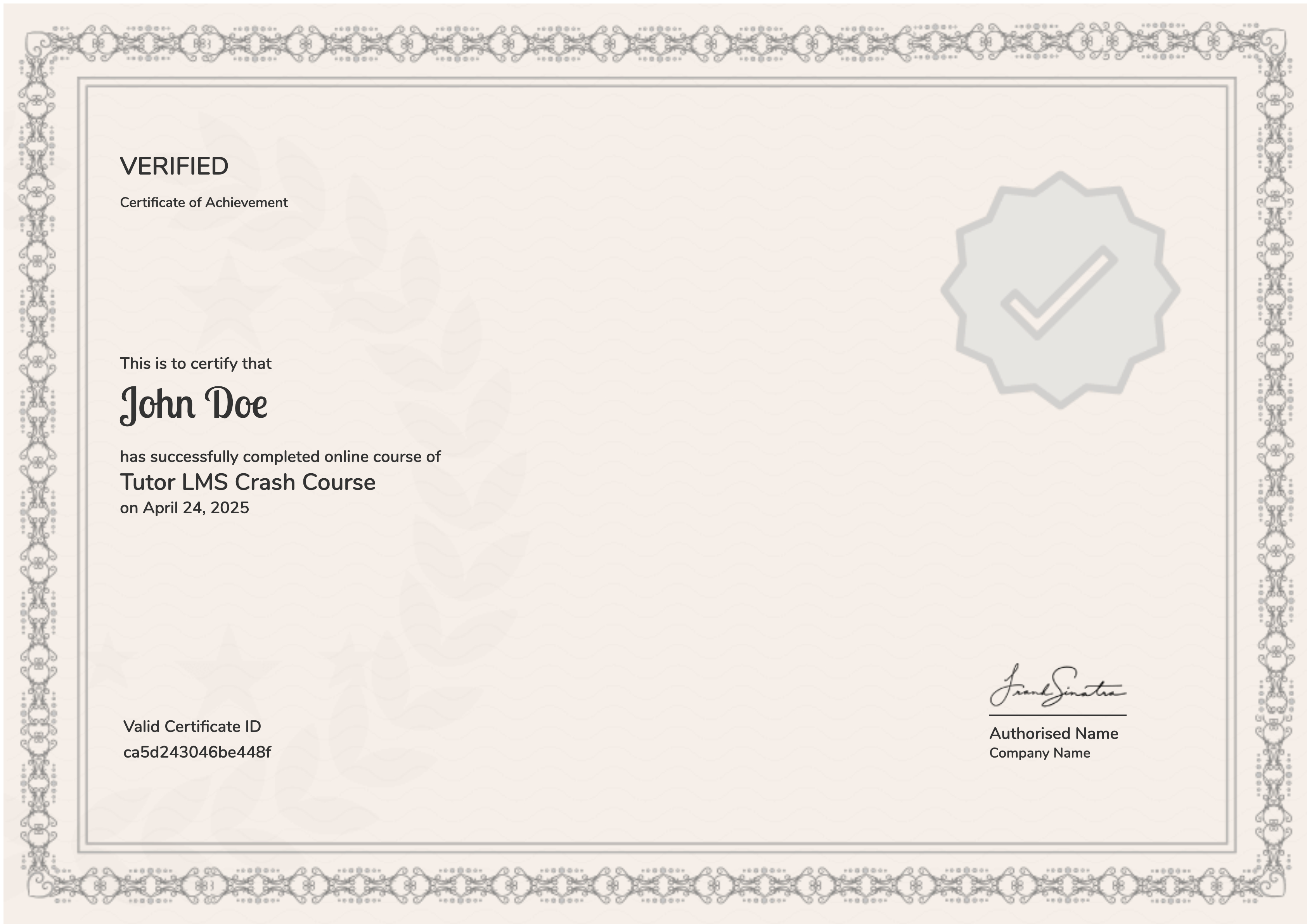
    selected template

    Student Ratings & Reviews

    No Review Yet

    No Review Yet

    New Concept

    SAP EWM Course Features

    Beginner-Friendly Curriculum

    The course starts from the basics and gradually moves to advanced concepts, making it suitable for freshers and non-IT professionals.

    Complete Tool Coverage

    Learn all essential tools required for an SAP EWM role, including warehouse structure, master data, RF framework, and monitoring tools, in one integrated course

    Practical & Hands-On Training

    Gain practical experience by working with real-world datasets, exercises, and assignments designed to improve analytical thinking.

    Concept Image

    Industry-Oriented Learning

    The curriculum is aligned with current industry requirements and focuses on skills commonly expected in SAP EWM job roles.

    Interview Preparation Support

    Get exposure to commonly asked interview questions and guidance on how to present SAP EWM skills confidently during interviews.

    Career Guidance & Support

    Receive structured career guidance to understand job roles, career paths, and growth opportunities in the SAP EWM field.

    📄

    Beginner-Focused Learning Approach

    Our SAP EWM course is designed to start from the basics and gradually build advanced skills, making it ideal for freshers and candidates from non-IT backgrounds.

    Complete and Industry-Relevant Curriculum

    The course covers all essential tools required for SAP EWM roles, including warehouse structure, master data, RF framework, and monitoring tools, ensuring learners gain end-to-end knowledge in one program.

    🔥

    Practical Training with Real-World Exposure

    Learners work with real warehouse data, practical exercises, and projects that reflect real industry scenarios, helping them build confidence and hands-on experience.

    👥

    Interview Preparation and Career Guidance

    We provide guidance on interview questions, resume preparation, and project explanations to help learners face interviews with confidence.

    Why Choose Placement Point Solutions for
    SAP EWM Training

    Our Corporate Companies
    WHY CHOOSE US

    Why Choose Placement Point Solutions
    for SAP EWM Training

    We focus on building strong fundamentals, practical exposure, and career readiness to help learners succeed in SAP EWM roles.

    📘

    Beginner-Focused Learning Approach

    Our SAP EWM course is designed to start from the basics and gradually build advanced skills, making it ideal for freshers and candidates from non-IT backgrounds.

    ❤️

    Complete & Industry-Relevant Curriculum

    The course covers all essential tools required for SAP EWM roles, including warehouse structure, master data, RF framework, and monitoring tools, ensuring end-to-end knowledge.

    🔥

    Practical Training with Real-World Exposure

    Learners work with real datasets, exercises, and projects that reflect real industry scenarios and build hands-on confidence.

    👥

    Interview Preparation & Career Guidance

    We guide learners on interview questions, resume preparation, and project explanations to face interviews confidently.

    🧭

    Structured & Transparent Learning Path

    The syllabus is clearly defined and shared in detail so learners understand what they will learn at every stage.

    🤝

    Continuous Support Throughout the Course

    Learners receive continuous support for doubt clearing and guidance, ensuring a smooth learning experience from start to finish.

    Ready to Start Your Career in SAP EWM?

    Take the next step towards building a successful career in SAP EWM with structured training, practical learning, and career guidance.

    Get complete clarity on the course syllabus, learning approach, batch schedules, and career opportunities by speaking with a career expert.

    Get Free Career Guidance
    Beginner-friendly Practical training Career-focused learning
    ×

      Talk to a Consultant

      Fill in the details to get started

      ×